
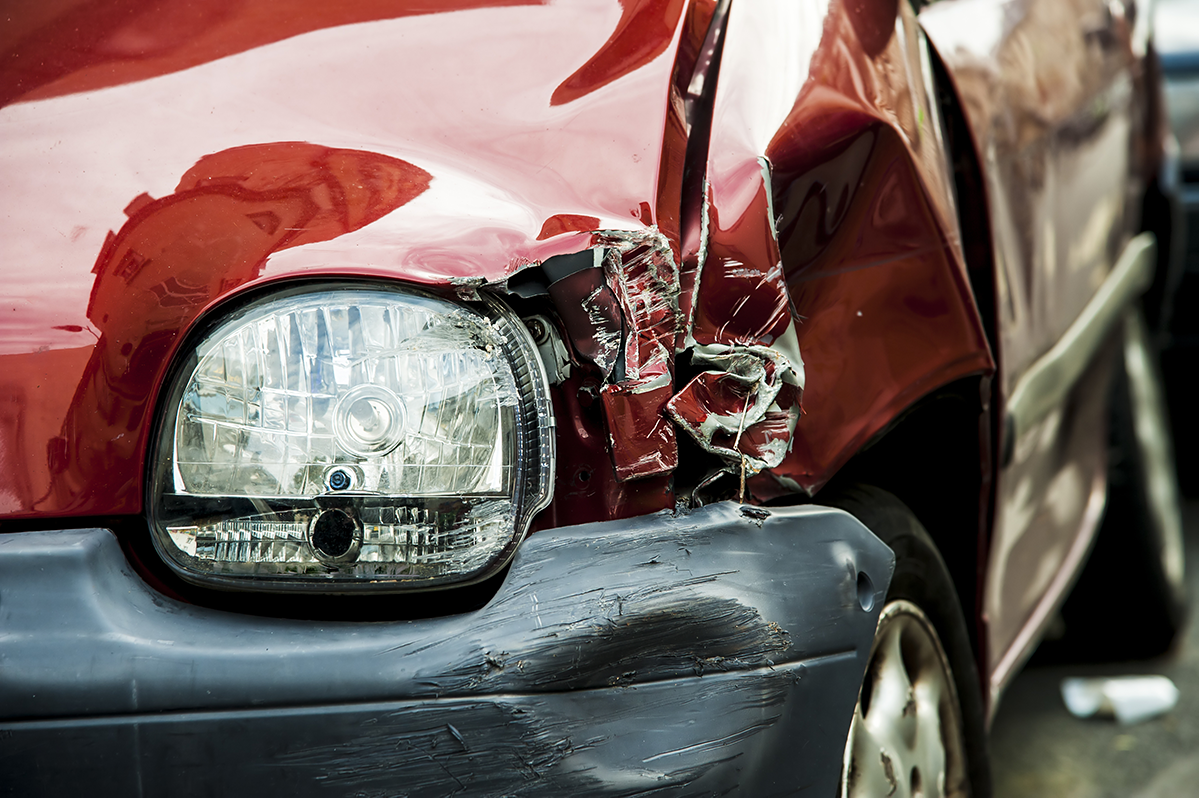
This ultimate guide to navigating major collision repair processes gives you everything you need to move from a crash scene to a fully restored vehicle with confidence. If that feels overwhelming, consider this sobering context: 27% of all auto claims are now declared a total loss, a significant rise from just 16% four years ago, which means understanding exactly what happens inside a collision repair shop has never been more important.
Key Takeaways
| Question | Answer |
|---|---|
| What is the first step in the collision repair process? | The first step is a thorough damage assessment and written estimate, which you can prepare for in advance to speed up the process. |
| Do all collision repairs require ADAS recalibration? | As of 2026, 65% of all collision repairs require some form of ADAS sensor recalibration. Any vehicle with cameras, radar, or lane-assist features will almost certainly need it. |
| What is Paintless Dent Repair (PDR)? | PDR is a technique that removes dents from metal panels without paint or filler, preserving the factory finish. It works best on shallow dents where the paint surface is intact. |
| Can I choose my own auto body shop after an accident? | Yes. You have the right to choose the repair shop of your choice. Learn more about your rights after an accident before agreeing to an insurer-preferred shop. |
| How long does major collision repair take? | The average repair cycle runs 19.3 days, and that figure climbs past 21 days for newer vehicles with multiple ADAS features. Plan your rental car or loaner coverage accordingly. |
| Does the auto body shop handle insurance directly? | Most reputable shops coordinate directly with insurers on your behalf, but you remain the final decision-maker on all repair approvals. |
| Is truck collision repair different from standard car repair? | Yes. Truck collision repair often involves heavier structural components, high-strength steel frames, and commercial fleet considerations that require specialized equipment and training. |
Understanding the Full Scope of the Collision Repair Process
The collision repair process is not a single event. It is a carefully ordered series of inspections, approvals, structural work, surface refinishing, and safety system checks that must happen in the right sequence to return a vehicle to pre-accident condition.
Skipping or rushing any stage leads to hidden structural weakness, mismatched paint, or safety features that appear to work but fail when you actually need them.

Every vehicle that comes through our auto body shop goes through this exact multi-stage process, regardless of whether the job is a minor fender repair or a full structural rebuild.
The difference between a good repair and a great one almost always comes down to how thoroughly each stage is documented and executed.

A visual breakdown of the 5-step collision repair process. It helps readers understand the repair journey from assessment to road-ready.
Step-by-Step: How the Major Collision Repair Process Works at an Auto Body Shop
Navigating major collision repair processes becomes far less stressful when you know exactly what each phase involves. Here is how the repair journey unfolds at a professional auto body shop from the moment your vehicle arrives.
Step 1: Damage Assessment and Written Estimate
The first thing we do is a full walk-around inspection, followed by disassembly of affected areas to find hidden damage that surface-level checks miss. This is also where we identify whether the car accident repair will involve frame work, airbag replacement, or ADAS system involvement.
Preparing for this step in advance saves time. Gathering your insurance documents, photos from the accident scene, and a written account of what happened helps the estimator build a faster and more accurate repair plan.
Step 2: Insurance Coordination and Repair Authorization
Once the estimate is written, we coordinate with your insurer to get repair authorization. You always retain the right to approve or question any line item before work begins.
Never feel pressured to accept a stripped-down repair scope just because an insurance adjuster suggested a lower-cost approach. You have the legal right to a proper, safe repair.
Step 3: Structural and Frame Repair
For major collisions, this is typically the most technically demanding stage. Our 3,500 square foot facility in Rohnert Park, CA is equipped with modern frame straightening systems and certified welding capabilities to restore structural integrity to manufacturer specifications.
High-strength steel and aluminum-intensive vehicles require specific repair procedures, and using incorrect techniques on these materials can compromise crash performance in a future impact.
Step 4: Body Panel Repair and Replacement
With the frame confirmed straight, we move to repairing or replacing damaged body panels. This stage also includes plastic repair, fiberglass repair where applicable, and determining whether a panel can be saved or needs full replacement.
We cover a broader look at innovations in auto body frame, plastic, and paint repair that are changing how technicians approach this phase in 2026.
Step 5: Paint Refinishing and Color Matching
Paint matching is both a science and a skill. Modern vehicles often have multi-stage or pearl finishes that require computer-aided color matching systems to blend correctly.
A quality refinish job will be invisible against the original panels, with no visible blend lines or texture mismatches under natural light.
Step 6: ADAS Recalibration and Safety Systems Check
This step is non-negotiable for any modern vehicle. Cameras, radar sensors, and ultrasonic systems must be recalibrated after any repair that affects the vehicle’s geometry, glass, or bumper structure.
We cover this stage in greater depth in the ADAS section below.
Step 7: Quality Control Walk-Through and Delivery
Before your vehicle leaves our shop, it goes through a structured quality inspection. We walk you through every repaired area so you can verify the work before you drive away.
Do not skip this walk-through. Industry data shows that roughly 1 in 8 collision repairs requires a return visit, and catching any concerns at pickup is far easier than resolving them later.
Paintless Dent Repair (PDR): The Collision Repair Option Most Drivers Overlook
Paintless Dent Repair, or PDR, is one of the most cost-effective and time-efficient techniques available in modern collision repair. When dents are shallow and the paint has not cracked or chipped, PDR can restore a panel to its original shape without any filler, primer, or repainting.

PDR technicians use specially shaped metal rods and light-board reflection techniques to massage the damaged metal back into position from behind the panel.
PDR works best when:
-
The dent has a smooth, round profile (hail damage, door dings, minor low-speed impacts)
-
The paint surface is completely intact with no cracking or peeling
-
The damaged area is accessible from behind the panel
-
The metal has not been stretched beyond its elastic limit
PDR is not the right choice when:
-
The paint has cracked, chipped, or separated at the dent edge
-
The panel has a sharp crease rather than a smooth depression
-
The damage is near a panel edge, bead, or structural reinforcement
-
Rust or prior filler work is present in the damaged area
Paintless Dent Repair is also significantly faster than conventional panel repair. Jobs that would take two or three days in traditional bodywork can often be completed in a few hours with PDR, reducing your time without a vehicle.
Did You Know?
65% of all collision repairs as of early 2026 require specialized ADAS (Advanced Driver Assistance Systems) calibration, making it one of the most common and critical steps in modern repair.
ADAS Recalibration: Why It Is Not Optional in the Modern Collision Repair Process
In 2026, navigating major collision repair processes means understanding that ADAS recalibration is now a core requirement, not an optional add-on. Your vehicle’s safety systems depend on precise sensor alignment to function correctly.
Any repair that touches the front or rear bumper, windshield, wheel alignment, or front suspension geometry has the potential to shift sensor positions even fractions of a degree. That fraction of a degree translates directly into the system failing to detect a vehicle in your blind spot or misreading lane boundaries.
Systems that commonly require recalibration after collision repair include:
-
Forward collision warning and automatic emergency braking cameras
-
Lane departure warning and lane-keep assist cameras
-
Adaptive cruise control radar (typically embedded in the front grille or bumper)
-
Blind spot monitoring sensors (often in the rear bumper or quarter panels)
-
360-degree surround-view cameras
-
Night vision systems
When choosing an auto body shop for car accident repair on a modern vehicle, always ask whether they perform ADAS calibration in-house or send the vehicle to a dealership. In-house calibration reduces total repair time and keeps the full repair under one quality-control roof.
Our team covers detailed guidance on this topic across our ADAS repair and recalibration resources, including exactly what to ask your shop before authorizing any repair on a sensor-equipped vehicle.
Car Accident Repair and Insurance: Protecting Your Rights and Your Vehicle
Car accident repair involves more than technical work. It involves navigating an insurance process that does not always align with the full cost of a proper repair.
Here are the key principles that protect you throughout the car accident repair and insurance process:
-
You choose the shop. Insurance companies can suggest preferred shops, but they cannot legally require you to use one. You have the right to select the collision repair provider you trust.
-
Supplement claims are normal. It is common for additional hidden damage to be discovered after disassembly. A quality auto body shop will submit supplement claims on your behalf rather than cutting corners to stay within the original estimate.
-
OEM parts matter. Insist on Original Equipment Manufacturer parts for structural, safety, and sensor-related components. Aftermarket alternatives for ADAS-related brackets and mounts can affect calibration accuracy.
-
Diminished value is real. Even a perfectly repaired vehicle can lose resale value after a documented accident. You may be entitled to file a diminished value claim, particularly if the other driver was at fault.
-
Get everything in writing. Before authorizing any repair, get a written estimate and written confirmation of the parts that will be used.
Only 58% of customers who experienced a total loss reported that the insurance valuation fully met their expectations, which is a strong reason to understand your rights before any settlement conversation begins.
Fiberglass, RV, and Truck Collision Repair: When Standard Methods Are Not Enough
Not every collision repair follows the same path. Fiberglass panels, RV structures, and heavy commercial vehicles each present unique challenges that require specialized training and materials.
Fiberglass Body Repair
Fiberglass components, common on Corvettes, custom vehicles, and certain composite-bodied cars, require a completely different repair approach than steel or aluminum. The material is constructed from glass fibers embedded in a resin matrix, which means damage presents as cracks and fractures rather than dents.

The professional fiberglass repair process typically involves surface preparation, structural reinforcement with additional laminate layers, gel coat application, and finish polishing. Our team documents the full process in detail in our fiberglass body damage repair guide, which covers everything from hairline cracks to full panel reconstruction.
RV Repair Center Services
RV collision damage is especially complex because recreational vehicles combine automotive, fiberglass, aluminum, and sometimes wooden structural elements in a single body. A proper rv repair center handles all of these materials under one roof rather than farming sections out to different specialists.
When choosing an rv repair center after a collision, confirm that the facility has direct experience with your specific RV type (Class A motorhome, travel trailer, fifth wheel, or Class C) because repair techniques vary significantly between them.
Key questions to ask any rv repair center include whether they use manufacturer-approved repair procedures, whether they handle structural aluminum framing in-house, and whether they coordinate with RV-specific insurers familiar with the actual replacement cost of RV components.
Truck Collision Repair
Truck collision repair covers everything from light-duty pickups to full commercial fleet vehicles. Heavy-duty trucks present challenges around high-strength frame rails, diesel powertrain components, and commercial body structures like flatbeds, dump bodies, or utility boxes.
Fleet managers navigating truck collision repair should establish a direct relationship with a shop that understands DOT compliance requirements, as commercial vehicles returning to road use after a major collision may require documented safety inspections before they can legally return to service.
Our commercial truck repair resources cover the specific procedures and documentation requirements for fleet and heavy-duty truck collision repair in 2026.
Did You Know?
The average repair cycle time in 2025 was 19.3 days, but this jumps to 21.5 days for vehicles model year 2019 or newer with 3 or more ADAS features, adding nearly 4 extra days to your time without a vehicle.
Source: J.D. Power 2025 U.S. Auto Claims Satisfaction Study
Staying Mobile During the Collision Repair Process: Loaner Cars and Rental Coverage
One of the most practical concerns during any major collision repair is staying mobile. Repair timelines that stretch past three weeks mean rental coverage limits matter more than most drivers realize when they originally choose their insurance policy.
We offer a loaner car program for customers going through the collision repair process, available at no charge for those without rental coverage in their insurance policy. Our team also coordinates directly with trusted rental agencies when a loaner vehicle is not the right fit for your needs.
Before your vehicle goes in for repairs, confirm the following with your insurer:
-
What is the daily rental rate cap your policy covers?
-
What is the maximum number of rental days authorized?
-
Does your coverage include a gap period between when the estimate is written and when parts are sourced?
-
Does your policy cover a loaner vehicle provided directly by the auto body shop?
Being clear on these limits before the repair begins prevents unpleasant surprises when the parts order gets delayed mid-repair.
Choosing the Right Auto Body Shop for Major Collision Repair: What to Look For
Not every auto body shop is equally equipped to handle every type of repair. The ultimate guide to navigating major collision repair processes would be incomplete without clear guidance on how to evaluate a shop before you commit.
Look for these qualifications and capabilities:
-
I-CAR Gold Class Certification: This is the industry’s highest training standard. Gold Class shops require all technicians to maintain up-to-date training across every area of collision repair.
-
OEM Certifications: Manufacturer-specific certifications (from GM, BMW, Toyota, Mercedes, Mopar, and others) mean the shop is trained and tooled to the exact specifications for those vehicles.
-
In-house ADAS calibration capability: A shop that outsources calibration adds both time and a handoff risk to your repair.
-
Frame straightening equipment: Major collisions almost always involve some structural displacement. Confirm the shop has computerized measuring and straightening systems.
-
Fiberglass and specialty material experience: If your vehicle has composite panels, specialty materials, or an unusual body structure, verify direct experience before authorizing work.
-
Clear written warranty on repairs: A reputable auto body shop stands behind its work with a documented warranty covering both parts and labor.
-
Transparent supplement process: Ask how they handle additional damage discovered during disassembly. The answer tells you a great deal about how the shop operates.
Explore our full range of autobody repair services to understand the complete scope of what a properly equipped shop should offer.
Fender Benders vs. Major Collision Repair: Knowing the Difference Matters
A fender bender is defined as a minor car collision where both vehicles remain drivable and no significant injuries occur. But calling something a “minor” accident does not automatically mean the repair is simple or cheap in 2026.
Modern vehicles pack ADAS sensors, active grille shutters, pedestrian detection cameras, and radar systems into bumper structures that previously contained nothing but foam and plastic. A low-speed impact that would have been a straightforward bumper swap a decade ago can now involve recalibrating an entire suite of safety systems.
Our detailed walkthrough of the fender bender collision repair process covers exactly where these small accidents turn into complex repair projects and how to manage them correctly from the start.
The same diligence applied to a major collision should apply to any accident involving a modern vehicle’s front or rear bumper, regardless of severity.
Common Mistakes to Avoid When Navigating the Collision Repair Process
Understanding what not to do is just as valuable as knowing the right steps. Here are the most frequent mistakes we see from drivers navigating major collision repair for the first time.
-
Accepting the lowest estimate without questioning it. A low estimate usually means something is being left out, whether that is hidden structural damage, sensor recalibration, or quality paint materials.
-
Skipping the post-repair walk-through. This is your opportunity to verify quality before driving away. Once you leave the lot, resolving concerns becomes significantly more difficult.
-
Letting the insurer choose the shop without researching it first. Preferred shops serve the insurer’s efficiency, not necessarily your repair quality. Research any recommended shop independently before agreeing.
-
Ignoring warning lights after pickup. If any dashboard warning illuminates within days of getting your vehicle back, return to the auto body shop immediately. It often indicates an incomplete ADAS calibration or an unresolved electrical issue.
-
Assuming PDR (Paintless Dent Repair) works on all dents. PDR is excellent for the right damage profile, but using it on a dent with cracked paint or a sharp crease will produce a substandard result. Ask your technician to confirm the technique matches the damage.
-
Not documenting the repair process. Take dated photos of the vehicle at drop-off, during any supplement conversations, and at pickup. This documentation protects you if disputes arise later.
Conclusion
This ultimate guide to navigating major collision repair processes covers every stage you will encounter, from the moment of impact through insurance coordination, structural repair, PDR, ADAS recalibration, specialty services like RV repair and truck collision repair, and the final quality walk-through.
The collision repair process in 2026 is more technically complex than ever before. Modern vehicles demand more from the shops that repair them, and more from the drivers who choose where to take them.
Whether you are dealing with straightforward car accident repair or a complex multi-panel rebuild on a commercial truck or specialty vehicle, the principles are the same: choose a certified auto body shop, understand your rights, insist on proper procedures, and do not leave without completing a thorough inspection of the finished work.
We are here to make the collision repair process as clear and stress-free as possible. Explore our full range of services, read our guides, and reach out to our team whenever you need guidance on what a proper repair should look like for your specific vehicle.
Frequently Asked Questions
How long does major collision repair typically take in 2026?
The average repair cycle runs approximately 19.3 days for standard vehicles, but newer cars with three or more ADAS features average 21.5 days. Parts availability, supplement approvals, and ADAS recalibration scheduling are the most common factors that extend the overall collision repair timeline.
Is Paintless Dent Repair (PDR) worth it for collision damage?
Paintless Dent Repair is absolutely worth considering when the dent is smooth, the paint is intact, and the panel is accessible from behind. PDR preserves the factory finish, costs less than conventional repair, and takes significantly less time. However, PDR is not suitable for creased dents, cracked paint, or damage near panel edges.
Do I have to use the auto body shop my insurance company recommends?
No. You have the legal right to choose your own auto body shop for car accident repair regardless of what your insurer recommends. Insurer-preferred shops serve the insurer’s administrative convenience. Your priority should be finding a shop that is certified for your vehicle type and has documented quality standards.
What happens if more damage is found after my collision repair estimate?
Discovering additional hidden damage during disassembly is completely normal in the major collision repair process. A reputable auto body shop will submit a supplement claim to your insurer and get written approval before proceeding with the additional work. You should always be informed before any scope change is authorized.
Does a collision repair affect my car’s resale value even if it is repaired perfectly?
Yes. A vehicle with a documented accident history typically carries a lower resale value than a comparable vehicle with a clean title, even after perfect collision repair. This is known as diminished value, and depending on the circumstances of the accident, you may be entitled to file a diminished value claim against the at-fault party’s insurer.
What is ADAS recalibration and why is it required after collision repair?
ADAS (Advanced Driver Assistance Systems) recalibration is the process of resetting the precise alignment parameters of your vehicle’s cameras, radar sensors, and ultrasonic systems after any repair that could have shifted their position. Without recalibration, features like automatic emergency braking, lane-keep assist, and blind spot monitoring may give false readings or fail entirely. In 2026, 65% of all collision repairs require some form of ADAS recalibration.
Can an RV repair center handle fiberglass collision damage on a motorhome?
A properly equipped rv repair center should be able to handle fiberglass collision damage, structural aluminum repair, and finish work on motorhomes and travel trailers. The key is confirming that the facility has direct experience with RV-specific materials and repair procedures, since standard auto body techniques do not always translate directly to RV construction methods. Always ask for examples of similar RV repair work before authorizing major repairs.