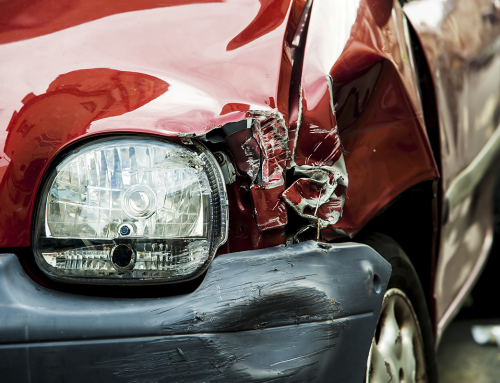

If you’ve recently been in an accident, one of the first questions on your mind is probably: how long will auto body repairs take? According to J.D. Power’s 2025 U.S. Auto Claims Satisfaction Study, the average cycle time for repairable vehicles was 19.3 days, down from 22.3 days the prior year, which means most drivers can expect to be without their vehicle for close to three weeks depending on the damage involved. The good news is that understanding what drives repair timelines, and working with a shop that prioritizes doing things right, can make the whole process a lot less stressful.
Key Takeaways
| Question | Quick Answer |
|---|---|
| How long do minor auto body repairs take? | Small dents, scratches, and bumper repairs typically take 1 to 3 days. |
| How long does major collision repair take? | Significant structural or multi-panel damage can take 2 to 4 weeks or longer. |
| What causes auto body repair delays? | Parts availability, insurance approval, and hidden damage discovered during teardown are the top factors. |
| Does insurance slow down the repair process? | It can, but working with a shop that handles the adjuster visit on-site helps speed up approvals significantly. |
| How long do EV body repairs take in 2026? | EV structural repairs typically take 2 to 4 weeks, partly due to battery handling requirements and specialized parts sourcing. |
| Do I need a loaner car during repairs? | For most multi-day repairs, yes. Our shop offers loaner vehicles, often at no cost, so you stay mobile. |
| Is it safe to rush auto body repairs? | No. Structural integrity and safety are far more important than rushing a vehicle out the door. |
Dealing with a wrecked vehicle is never fun. But having a clear picture of the repair process, what drives timelines, and what you can do to keep things moving will help you feel a lot more in control from start to finish.
How Long Will Auto Body Repairs Take for Minor Damage?
Not every repair is a major ordeal. Minor damage, like small dents, light scratches, cracked bumper covers, and parking lot dings, can often be completed in just one to three business days.
That said, even “minor” repairs deserve the right attention to detail. A scratch that looks surface-level might reveal underlying paint damage or primer issues once a technician takes a closer look. We always complete a thorough assessment before giving you a timeline, so you’re never caught off guard.
Here’s a general breakdown of how long common minor auto body repairs take:
- Small dent removal (no paint damage): 1 to 2 hours to 1 day
- Bumper scuff or scratch: 1 to 2 days
- Single-panel repaint: 1 to 3 days (including cure time)
- Cracked bumper cover replacement: 1 to 2 days
- Headlight or taillight damage: Same-day to 1 day, depending on parts availability
For bumper work specifically, we use the 3M Plastic Repair System, widely regarded as the best product available for plastic bumper repair. It produces clean, durable results that match the rest of your vehicle’s finish seamlessly.
How Long Will Auto Body Repairs Take for Major Collision Damage?
Major collisions are a different story entirely. When multiple panels are damaged, structural components are bent, or airbags have deployed, the auto body repair timeline grows considerably.
For significant collisions involving frame damage, multiple panel replacements, and a full repaint, you’re typically looking at two to four weeks. In some cases involving complex structural repairs or difficult-to-source parts, it can take longer.
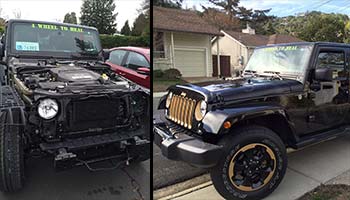
Here’s what a typical major repair sequence looks like:
- Vehicle intake and teardown: 1 to 2 days
- Damage assessment and supplemental estimate: 1 to 3 days
- Parts ordering and delivery: 2 to 10+ days (the biggest variable)
- Frame and structural repair: 2 to 5 days
- Panel repair, replacement, and bodywork: 2 to 5 days
- Paint preparation and application: 2 to 4 days
- Reassembly and quality inspection: 1 to 2 days
The most important thing to understand is that every step feeds into the next. If parts are delayed, everything downstream shifts. That’s why we keep you informed at every stage. You will know everything that needs to be done and what it will cost before we begin any repairs.
How Long Does Frame Straightening and Structural Repair Take?
Frame and structural repairs are among the most time-intensive parts of any collision job, and they’re also among the most important to get right.
We use a Kansas Jack World Rack 400L frame straightening system, paired with a Hein Werner Shark sonar measuring system that locates structural damage not visible to the naked eye. This combination ensures we identify and correct every alignment issue, not just the ones that are obvious at first glance.
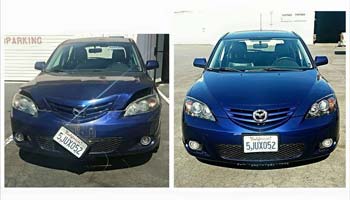
Frame straightening itself typically takes two to five days for most vehicles, depending on the extent of the damage and whether secondary damage is discovered once the vehicle is on the rack.
We also carry full welding capabilities, including MIG, TIG, and aluminum welding equipment, which means we can handle the full scope of structural repair in-house without sending your vehicle elsewhere. That keeps the timeline as tight as possible while still doing the work correctly.
“Much more important than rushing your vehicle out the door” is making sure structural repairs are done right the first time. A vehicle that looks repaired but isn’t structurally sound isn’t a vehicle we’re willing to hand back to you.
What Factors Affect How Long Auto Body Repairs Take?
Several variables outside of the actual repair work itself can significantly impact your total wait time. Knowing what they are helps you set realistic expectations and ask the right questions upfront.
Parts Availability
This is the single biggest driver of repair delays in 2026. OEM (Original Equipment Manufacturer) parts can take anywhere from a few days to several weeks to arrive, depending on your vehicle’s make, model, and the specific components needed.
Specialty vehicles like RVs and commercial trucks can face even longer wait times due to limited parts sourcing channels. Our team works proactively to source parts as quickly as possible so your vehicle doesn’t sit idle while we wait.
Hidden Damage
Collision damage isn’t always what it looks like on the surface. Once we begin teardown, additional damage is frequently discovered. Our Hein Werner Shark sonar system helps us identify structural issues early in the process, but panel-level surprises can still affect the timeline.
We’ll always contact you immediately when supplemental damage is found and walk you through what it means for the repair timeline and cost. No surprises.
Complexity of the Repair
A fiberglass repair on a specialty vehicle, for example, requires skills that not every shop has. Fiberglass body damage repair is one of our specialties, and our technicians have extensive experience making fiberglass panels look factory-new. That expertise matters, but it also takes time to do properly.
Paint Matching and Cure Time
A quality paint job can’t be rushed. Color matching, application, and proper cure time all contribute to the overall timeline. Our state-of-the-art facility in Rohnert Park includes enclosed paint booth capabilities that allow us to control the environment and produce consistent, high-quality results without cutting corners.
ADAS Recalibration
If your vehicle has advanced driver assistance systems (ADAS), like cameras, radar sensors, or lane-keeping systems, those need to be recalibrated after structural or glass repairs. This is not optional. ADAS recalibration after collision repair adds time but is a critical safety step we never skip.
How Long Will Auto Body Repairs Take When Insurance Is Involved?
Filing an insurance claim adds a step to the process, but it doesn’t have to add weeks. Understanding how the insurance workflow fits into the repair timeline can help you avoid unnecessary delays.
Here’s how the process typically works at our shop:
- You bring your vehicle to us (or we arrange FREE TOWING to get it here).
- We provide a FREE ESTIMATE and you contact your insurance company.
- The insurance adjuster comes directly to our facility to examine the vehicle, so you don’t have to coordinate multiple appointments.
- Once the claim is approved, we order parts and begin repairs immediately.
- If additional damage is found during the repair, we work directly with your insurer to get supplemental approval quickly.
Having the adjuster come to us rather than sending your vehicle to a separate inspection location saves multiple days right off the top. It’s one of the ways we keep the process as smooth as possible. You can learn more about your rights as a vehicle owner when dealing with insurance companies for collision repairs.
Insurance delays account for a meaningful portion of that ~19-day industry average. The more organized and communicative the shop is with your insurer, the faster things move. We take that coordination seriously.
How Long Will Auto Body Repairs Take on an EV or PHEV in 2026?
Electric vehicles and plug-in hybrids (PHEVs) are more common on Sonoma County roads than ever in 2026, and they come with their own unique repair considerations that affect the timeline.
EV structural repairs typically take two to four weeks, depending on damage severity, parts availability, and battery handling requirements. Here’s why:
- Battery safety protocols: Before any structural work begins on an EV, the high-voltage battery system must be properly assessed and, in many cases, safely isolated. This is a non-negotiable safety requirement.
- Specialized parts: EV and PHEV parts (battery modules, high-voltage cables, structural underbody components) can have longer lead times than conventional parts.
- ADAS recalibration: Most modern EVs have extensive driver assistance systems that require recalibration after any structural or glass repair.
- Structural design differences: Many EVs use unique unibody or skateboard-chassis designs that require different repair procedures than traditional vehicles.
If you drive a PHEV or fully electric vehicle and you’ve been in a collision, the key takeaway is that you should not expect a quick turnaround in most cases. Quality and safety take priority. EV battery safety during structural collision repair is a topic we take very seriously in our Rohnert Park facility.
How Long Does RV Body Repair Take?
RV repairs follow a different timeline than passenger vehicles, and the gap can be significant. RVs are larger, more complex, and require specialized equipment and facilities that most shops simply don’t have.
We are proud to be the only recreational vehicle paint facility in Sonoma County with a full 80-foot enclosed paint booth. That’s not just a point of pride. It means we can take in, paint, and finish full-size RVs without the compromises that come from trying to squeeze a large vehicle into a standard-sized facility.
For RV repairs, timelines depend heavily on the type and extent of damage:
- Minor fiberglass or panel damage: 3 to 7 days
- Moderate collision damage with paint: 1 to 3 weeks
- Major structural or full-side damage: 3 to 6 weeks or more
Fiberglass repair is a specialty skill, and our team has been highly skilled at making fiberglass damage look factory-new. If you own an RV and have been putting off a repair because you weren’t sure who to trust with a vehicle that size, we’d encourage you to reach out and get a free estimate.
What to Do While Your Car Is Being Repaired
Knowing that your repair could take anywhere from one day to four or more weeks makes it important to plan ahead. Here’s what we recommend:
- Ask about a loaner vehicle upfront. We offer loaner cars, often at no charge, so you’re not left scrambling for transportation. Ask when you drop off your vehicle.
- Check your insurance for rental reimbursement. Many policies include rental coverage during repairs. You can review relevant information about common repair and insurance questions on our FAQ page.
- Stay in communication with the shop. We keep you updated every step of the way. If your timeline shifts due to parts delays or supplemental damage, you’ll hear from us before you have to ask.
- Don’t rush the process. It’s tempting to want your vehicle back as quickly as possible, but a repair done under pressure is rarely a repair done right. Safety and quality come first, every time.
Conclusion
So, how long will auto body repairs take? The honest answer is: it depends on the damage, the parts, the insurance process, and the complexity of your vehicle’s systems. For minor repairs, you might be back on the road in a day or two. For major collision or structural work, plan on two to four weeks. EV and RV repairs can take longer due to their specialized requirements.
What we can promise is this: at our 3,500 square foot facility in Rohnert Park, CA, we use state-of-the-art equipment, transparent communication, and a safety-first approach that ensures your vehicle is returned to you in the best possible condition, not just the fastest. You’ll know what needs to be done, what it will cost, and where things stand throughout the entire process.
We serve drivers throughout Rohnert Park, Santa Rosa, Cotati, Windsor, Petaluma, Sebastopol, and across Sonoma and Marin counties. If you’re wondering how long auto body repairs will take for your specific situation, the best first step is getting a free, honest estimate from our team. Call us at (707) 665-9100 or visit us at 5850 Redwood Dr, Rohnert Park, CA 94928.
Explore our full range of auto body repair services and see why families and friends across Sonoma County have trusted us for years.
Frequently Asked Questions
How long will auto body repairs take for a minor fender bender?
For a minor fender bender with limited panel damage and no structural involvement, auto body repairs typically take one to three business days. The exact timeline depends on parts availability and whether any hidden damage is found during the initial inspection.
Why do auto body repairs take so long after a major accident?
Major collision repairs take longer because they involve multiple sequential steps: teardown, structural assessment, parts ordering, frame repair, bodywork, paint, and reassembly. Parts delays alone can add a week or more to the total timeline, and insurance approval processes can also extend the wait.
Is it safe to rush auto body repairs to get my car back faster?
No. Rushing auto body repairs, especially structural work, compromises your vehicle’s safety. Proper frame straightening, paint cure time, and ADAS recalibration all require time to be done correctly. A shop that prioritizes speed over safety is one to avoid.
How long do auto body repairs take when insurance is involved?
When insurance is involved, the total time for auto body repairs typically runs 15 to 25 days on average. Having the insurance adjuster come to the shop directly, rather than requiring a separate inspection, can cut several days off the front end of the process.
How long do EV body repairs take compared to regular cars in 2026?
EV structural body repairs generally take two to four weeks in 2026, compared to one to three weeks for comparable damage on conventional vehicles. Battery safety protocols, specialized parts lead times, and ADAS recalibration requirements all add time to the process.
Can I drive my car while waiting for auto body repair parts?
It depends on the damage. If the vehicle is structurally compromised, has airbag system issues, or has safety-critical components affected, it should not be driven. Your technician will advise you clearly on whether your vehicle is safe to operate while parts are on order.
What is the fastest way to get through auto body repairs?
The fastest path through auto body repairs is bringing your vehicle to a shop that handles insurance coordination in-house, uses advanced diagnostic equipment to catch all damage early, and has direct access to parts channels. Getting a complete initial estimate and avoiding supplemental surprises late in the repair also helps keep things on schedule.