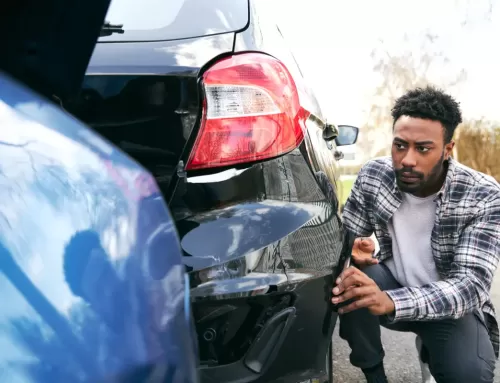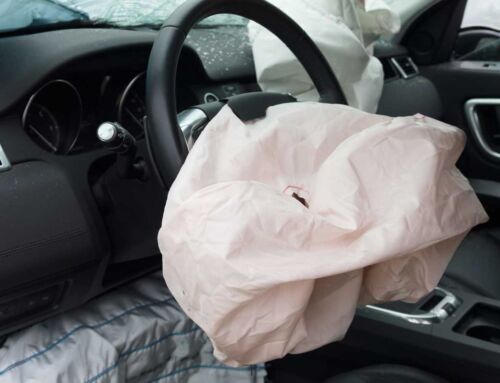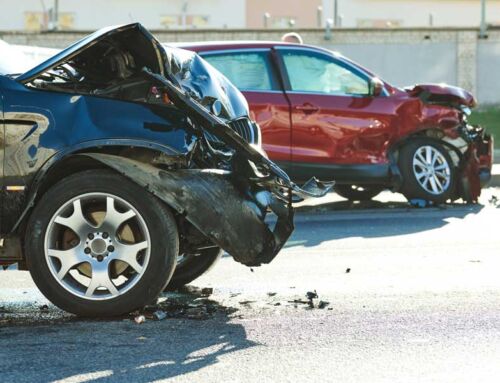
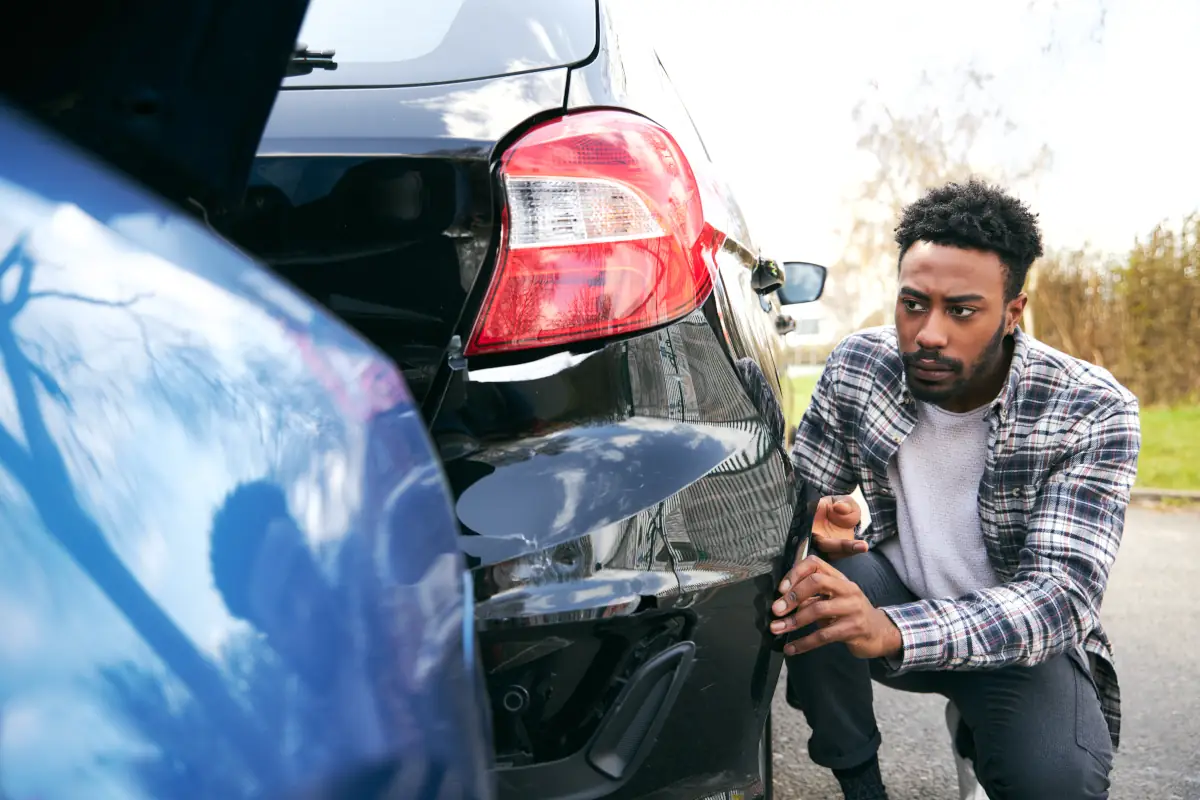
You’re backing out of your Rohnert Park driveway when you hear that sickening crunch—your neighbor’s car was in your blind spot. Or maybe you returned to your vehicle at the Graton Casino parking lot to find an unpleasant surprise: a sizeable dent from a hit-and-run driver. Your first thought after the initial frustration? “Should I file an insurance claim, or will my rates skyrocket?”
The question of whether your insurance rates will increase after filing a body damage claim is one of the most common concerns we hear at Downtown Autobody. As Sonoma County’s I-CAR Gold Class certified collision repair center, we’ve guided thousands of local drivers through this decision, and the answer isn’t as straightforward as you might think.
| Topic | What You’ll Learn |
|---|---|
| Rate Increase Factors | Which types of claims typically affect your premiums |
| California-Specific Rules | How state regulations protect Sonoma County drivers |
| Smart Claim Decisions | When to file versus when to pay out-of-pocket |
| Premium Protection Strategies | Ways to minimize insurance cost impacts |
Understanding How Body Damage Claims Affect Your Insurance Premiums
Whether your insurance rates go up after filing a body damage claim depends primarily on one critical factor: who was at fault. According to the Insurance Information Institute, not-at-fault claims generally have minimal to no impact on your future premiums, while at-fault collision claims typically result in rate increases ranging from 20% to 40% at your next renewal period.
Your insurance company evaluates several key elements when determining whether to raise your rates. These include your driving history, the severity of the accident, the cost of the claim, your coverage type, and your insurance provider’s specific policies. For California drivers, we’re fortunate to have stronger consumer protections than many other states. If you have accident forgiveness coverage—increasingly common in comprehensive policies—your first at-fault accident may not impact your rates at all.
The type of body damage claim you file matters significantly. Comprehensive claims for incidents like vandalism, weather damage, or animal collisions typically have less impact on your premiums than collision claims where you’re found at fault. This distinction becomes especially important when considering whether filing a claim makes financial sense for your specific situation.
How Does the Insurance Claims Process Work for Body Damage?
When you file a body damage claim, your insurance company assigns an adjuster to evaluate the damage, determine fault, and approve repair costs. The adjuster works with certified repair facilities to ensure proper vehicle restoration while managing claim expenses. This process typically takes 3-7 business days from initial report to repair authorization, though complex cases may require additional time.
Here’s what happens when you file a body damage claim:
- Initial Report: You contact your insurance company within 24-72 hours of the incident to document the damage and circumstances
- Adjuster Assignment: Your insurer assigns a claims adjuster who reviews photos, police reports, and damage assessments
- Repair Facility Selection: You choose a certified collision repair shop like Downtown Autobody’s I-CAR certified facility to perform the work
- Estimate Review: The adjuster approves repair costs based on industry-standard procedures and parts pricing
- Deductible Payment: You pay your deductible amount directly to the repair shop before or upon completion
- Claim Closure: Once repairs are complete and quality-verified, your insurance company closes the claim and updates your policy record
The key to minimizing rate increases is understanding that not all claims are created equal. Comprehensive claims—those resulting from non-collision events—rarely cause significant premium increases because they don’t reflect risky driving behavior.
When Should You File a Claim Versus Paying Out-of-Pocket?
The decision to file an insurance claim for body damage requires careful calculation. As a general rule, if your repair costs exceed your deductible by less than $1,000-$1,500, paying out-of-pocket may save you money in the long run. Here’s why: even a 20% rate increase on a typical Sonoma County driver’s annual premium of $1,800 equals $360 per year. If that increase lasts for three years (the common surcharge period), you’ll pay an extra $1,080 in premiums.
For minor dents and scratches common in busy Rohnert Park parking lots or along Highway 101, services like paintless dent repair can often restore your vehicle for a few hundred dollars—well below most deductibles and far less than potential premium increases. However, significant structural damage, paint work requiring our specialized 80-foot paint booth, or repairs exceeding $2,000-$3,000 typically warrant filing a claim.
Sonoma County drivers face unique considerations when making this decision. Our region’s narrow, winding roads through wine country increase the likelihood of minor scrapes and fender benders. Storm damage from winter weather systems and hail can affect comprehensive claims. Understanding your specific policy’s accident forgiveness provisions and California’s favorable insurance regulations can help you make informed decisions about when to file.
California Insurance Regulations That Protect Sonoma County Drivers
California law provides several consumer protections that influence how body damage claims affect your insurance rates. The state prohibits insurance companies from raising rates based solely on not-at-fault accidents, meaning if someone hits your parked car or you’re rear-ended at a stoplight, your premiums should remain unchanged. Additionally, California’s Proposition 103 requires insurers to justify rate increases to the Department of Insurance, providing oversight that benefits consumers.
Your insurance company must also consider your good driving record. If you’ve maintained a clean history for several years, many insurers in California offer rate reduction certificates or good driver discounts that can offset the impact of a single at-fault claim. Some policies include diminishing deductibles that reward claim-free years with lower out-of-pocket costs, encouraging you to file claims only when truly necessary.
At Downtown Autobody, we work directly with all major insurance carriers to ensure your claim process runs smoothly. Our I-CAR Gold Class certification means we meet the highest industry standards for collision repair training, which insurance adjusters recognize and trust. This certification, combined with our state-of-the-art equipment including Sonoma County’s only 80-foot paint booth, ensures your vehicle receives quality repairs that satisfy both you and your insurance company.
Do Insurance Companies Treat Different Types of Body Damage Claims Differently?
Yes, insurance companies categorize body damage claims differently, and this categorization significantly affects your premiums. Collision claims (at-fault accidents involving another vehicle or object) typically carry the highest premium impact. Comprehensive claims (theft, vandalism, weather damage, animal strikes) generally result in smaller increases or none at all, since they don’t reflect your driving behavior. Uninsured motorist claims fall into a middle category—while you’re not at fault, some insurers may still apply minor rate adjustments depending on their underwriting guidelines.
The severity of damage also matters. Minor claims under $1,000 may not trigger rate increases with some insurers, particularly if you have accident forgiveness. However, major collision repairs requiring extensive work—like the complete paint jobs we perform in our specialized booth or damage severe enough that insurance companies consider totaling the vehicle—almost always impact future premiums if you’re at fault.
Frequently Asked Questions
How long does a body damage claim affect my insurance rates?
Most insurance companies in California maintain at-fault claims on your record for three to five years. During this period, you’ll likely experience higher premiums. However, the impact typically decreases each year you remain claim-free. After the surcharge period expires, your rates should return to levels comparable to drivers with similar profiles but no recent claims.
Can I switch insurance companies to avoid a rate increase after filing a claim?
While you can switch insurers at any time, your claims history follows you. All insurance companies access shared databases that include your accident and claims history. Shopping around may help you find a more competitive rate, but you won’t escape the claim entirely. However, different insurers weigh claims differently in their underwriting, so comparing quotes after an accident can sometimes yield savings.
Does filing multiple small claims hurt worse than one large claim?
Yes, typically. Insurance companies view multiple claims—even small ones—as indicators of higher risk. Two or three minor claims within a three-year period can impact your rates more severely than a single larger claim, and may even result in non-renewal. This pattern reinforces the wisdom of paying out-of-pocket for minor repairs when financially feasible.
California Protections
State laws safeguard against unfair rate hikes for not-at-fault claims.
Claims Impact
Not-at-fault claims minimally affect rates compared to at-fault ones.
Smart Decisions
Weigh out-of-pocket expenses against long-term premium increases.
Making the Right Decision for Your Situation
The question of whether your insurance rates will increase after filing a body damage claim doesn’t have a one-size-fits-all answer. For Sonoma County drivers, the decision requires balancing immediate repair costs against potential long-term premium increases, while considering California’s consumer-friendly insurance regulations and your specific policy provisions.
The key factors to remember: not-at-fault claims should not increase your rates, comprehensive claims typically have minimal impact, at-fault collision claims usually result in 20-40% premium increases for 3-5 years, and the cost-benefit calculation favors filing claims when repair costs significantly exceed your deductible plus potential premium increases.
At Downtown Autobody in Rohnert Park, we understand that dealing with vehicle damage is stressful enough without worrying about insurance complications. Our experienced team can provide repair estimates to help you make informed decisions about filing claims, and we work seamlessly with all insurance carriers to ensure smooth claim processing when you do file. Our I-CAR Gold Class certification and specialized equipment—including that unique 80-foot paint booth—mean your vehicle receives the quality care it deserves, whether you’re paying through insurance or out-of-pocket.
Questions about your vehicle’s repair needs or whether you should file an insurance claim? Our friendly team is here to help you navigate these decisions with honest, expert advice tailored to your specific situation. Contact Downtown Autobody today for a no-obligation assessment and guidance on the best path forward for your vehicle and your wallet.
Frequently Asked Questions About Insurance Claims and Body Damage
How long does a body damage claim affect my insurance rates?
Most insurance companies in California maintain at-fault claims on your record for three to five years. During this period, you’ll likely experience higher premiums, though the rate increase typically decreases each year you remain claim-free. After the surcharge period expires, your rates should return to levels comparable to drivers with similar profiles but no recent claims. The initial impact is usually strongest in the first year, with gradual reductions if you maintain a clean driving record.
Can I switch insurance companies to avoid a rate increase after filing a claim?
While you can switch insurers at any time, your claims history follows you through shared industry databases like CLUE (Comprehensive Loss Underwriting Exchange). All insurance companies access these records when providing quotes, so you won’t escape the claim entirely. However, different insurers weigh claims differently in their underwriting formulas, so comparing quotes after an accident can sometimes yield savings. Some companies are more forgiving of first-time claims than others.
Does filing multiple small claims hurt worse than one large claim?
Yes, significantly. Insurance companies view multiple claims—even small ones—as indicators of higher risk behavior. Two or three minor claims within a three-year period can impact your rates more severely than a single larger claim, and may even result in policy non-renewal. This pattern reinforces why many Sonoma County drivers choose to pay out-of-pocket for minor repairs at Downtown Autobody rather than filing claims for every small dent or scratch. Your claims frequency matters as much as claim severity.
How much does body damage repair typically cost in Sonoma County?
Body damage repair costs vary widely depending on severity. Minor paintless dent repair for parking lot dings typically runs $150-$500. Small bumper repairs or single-panel repainting cost $500-$1,500. Moderate collision damage requiring multiple panels and our specialized paint booth ranges from $2,000-$5,000. Significant structural damage can exceed $8,000-$10,000. At Downtown Autobody, we provide free estimates to help you decide whether to file a claim or pay out-of-pocket based on your specific deductible and policy situation.
Will a comprehensive claim for hail damage increase my rates?
Comprehensive claims typically have minimal to no impact on your insurance rates because they don’t reflect risky driving behavior. Hail damage, vandalism, theft, and animal strikes fall under comprehensive coverage. However, filing multiple comprehensive claims within a short period may still raise red flags with insurers. California law provides strong consumer protections for comprehensive claims, but it’s worth checking with your specific insurer about their policies. For extensive hail damage common during Sonoma County winter storms, filing a claim usually makes financial sense.
What is accident forgiveness and how does it protect my rates?
Accident forgiveness is a policy feature that prevents your first at-fault accident from increasing your insurance rates. Many California insurers now offer this as a standard or optional benefit, especially for drivers with clean records of 3-5 years. If you have accident forgiveness, you can file an at-fault body damage claim without premium increases—though you’ll still pay your deductible. This benefit typically resets after several claim-free years. Check your policy declarations or contact your agent to confirm whether you have this valuable protection.
How long does the insurance claims process take for body damage repair?
The typical insurance claims process for body damage takes 3-7 business days from initial report to repair authorization. This includes adjuster assignment (1-2 days), damage inspection (1-2 days), and estimate approval (1-3 days). Actual repair time at Downtown Autobody’s Rohnert Park facility varies based on damage severity—minor repairs may take 2-3 days, while comprehensive collision work requiring our 80-foot paint booth can take 1-2 weeks. Complex claims involving disputes or supplemental damage discovered during repair may extend timelines. We work directly with adjusters to expedite approvals and minimize your inconvenience.
Disclaimer:
This article is intended for general informational purposes only and should not be considered legal, financial, or insurance advice. Insurance policies, coverage terms, underwriting guidelines, and premium impact rules vary by insurer and can change at any time. California regulations and insurer practices may also be updated or interpreted differently depending on the circumstances of a claim. Always review your specific insurance policy and consult directly with your insurance provider or a licensed insurance professional before making decisions about filing a claim or paying for repairs out-of-pocket.