
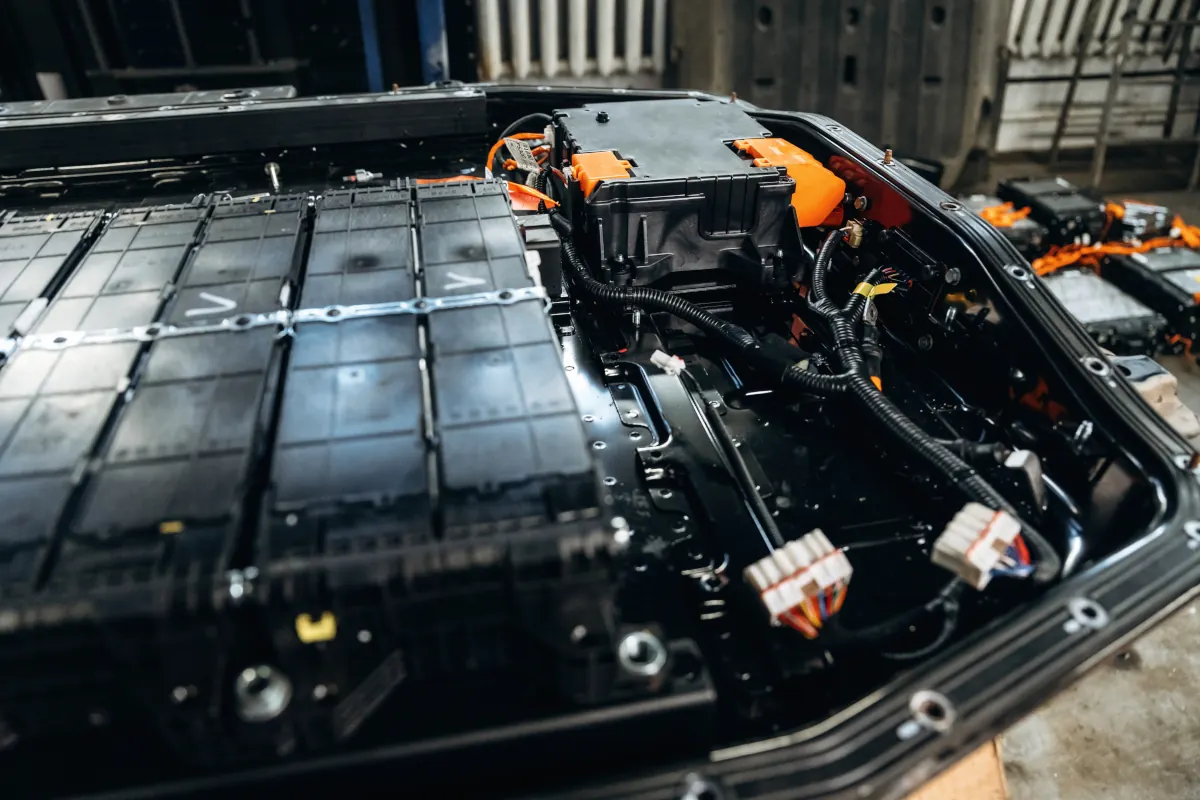
When an electric vehicle suffers floorpan damage in Sonoma County—whether from hitting debris on Highway 101 or bottoming out on our area’s unpaved roads—many owners immediately worry their car is totaled. Insurance adjusters often lean toward total loss declarations for EVs with floorpan hits, but is this always necessary? As an I-CAR Gold Class certified facility, Downtown Autobody in Rohnert Park regularly evaluates whether an EV can be repaired after a floorpan hit, and the answer might surprise you.
The myth that any floorpan damage automatically totals an electric vehicle stems from legitimate safety concerns about battery pack integrity. However, modern repair standards and proper assessment techniques can determine when repairs are both safe and economical.
| Topic | What You’ll Learn |
|---|---|
| Battery Safety Concerns | Why floorpan hits raise red flags with EVs |
| Repair vs. Total Loss Factors | What determines if your EV can be fixed |
| Professional Assessment Process | How certified shops evaluate floorpan damage |
| Sonoma County Solutions | Local expertise for electric vehicle repairs |
Why Floorpan Damage Creates Total Loss Concerns for Electric Vehicles
Electric vehicles store their battery packs in the floorpan area—the underbody structure between the wheels. This design lowers the center of gravity and maximizes interior space, but it also means any significant floorpan impact potentially affects the most expensive component of the vehicle. According to the National Highway Traffic Safety Administration (NHTSA), battery pack replacement can cost between $5,000 and $20,000, sometimes representing 30-50% of the vehicle’s total value.
Insurance companies understand this math quickly. When repair costs approach 70-80% of a vehicle’s actual cash value, they typically declare it a total loss. The challenge with EV floorpan damage is that even minor structural deformation near the battery enclosure can trigger manufacturer safety protocols requiring complete battery replacement—not because the battery itself is damaged, but because the mounting points and protective housing no longer meet specifications.
However, this doesn’t mean every floorpan hit automatically totals your electric vehicle. The severity, location, and specific vehicle design all factor into repairability. Many EVs feature segmented battery protection systems where only affected sections require attention. Additionally, some floorpan impacts affect structural rails or panels adjacent to—but not directly contacting—the battery enclosure.
The key benefit of proper evaluation: avoiding unnecessary total loss declarations that leave you without your preferred vehicle or stuck with diminished value records if you keep a “totaled” car.
Can an EV Be Repaired After a Floorpan Hit? What to Know
Yes, many electric vehicles can be safely repaired after floorpan hits when damage doesn’t compromise battery integrity or exceed economic repair thresholds. The determination requires specialized diagnostic equipment, manufacturer-specific repair procedures, and certified technicians trained in high-voltage vehicle systems. Critical factors include impact location relative to battery modules, structural deformation measurements, and electronic diagnostic results from the battery management system.
Whether your EV can be repaired after a floorpan hit depends on several specific factors:
- Impact location and depth: Strikes to structural rails outside the battery enclosure typically allow repair, while direct battery housing hits require more extensive evaluation
- Battery management system diagnostics: Error codes, cell voltage irregularities, or thermal management issues indicate potential battery damage requiring replacement
- Structural integrity measurements: Laser measuring systems determine if frame deformation exceeds manufacturer tolerances for safe battery mounting
- Manufacturer repair procedures: Each EV brand has specific guidelines—some allow structural repairs near batteries, others mandate component replacement
- Cost-to-value ratio: Even repairable damage may result in total loss declarations if repair expenses approach the vehicle’s worth
- Certification requirements: Proper EV repairs require I-CAR certified facilities with high-voltage safety training and proper equipment
At Downtown Autobody’s collision repair facility, we use manufacturer-specific diagnostic protocols before making repair recommendations. Our technicians hold current certifications in electric vehicle systems, ensuring both safety and proper repair procedures.
The evaluation process begins with a visual inspection of the battery enclosure for deformation, punctures, or thermal damage indicators. We then connect to the vehicle’s diagnostic system to read battery management data, checking for cell imbalances, insulation resistance problems, or fault codes that suggest internal damage. Computerized measuring ensures the structural mounting points remain within specifications.
For Sonoma County residents, this thorough assessment matters because our region’s roads present unique challenges. River Road’s dips, rural driveways with steep angles, and winter storm debris on highways create common floorpan impact scenarios. Understanding whether damage is repairable protects you from premature total loss decisions.
The Professional Assessment Process for EV Floorpan Damage
When you bring an electric vehicle with suspected floorpan damage to a qualified EV auto body shop, the assessment follows strict safety protocols. High-voltage systems require disconnection before any structural work begins—a process that varies by manufacturer and requires specific training.
Modern EVs include impact sensors throughout the battery area. These sensors often trigger “service required” warnings even when actual damage is minimal. Diagnostics distinguish between precautionary warnings and genuine battery compromise. This technical evaluation prevents both unsafe repairs and unnecessary replacements.
Structural repairs near battery systems require precise specifications. Even repairs performed correctly on the frame must maintain exact tolerances for battery mounting. This is where facilities like Downtown Autobody’s advantage becomes clear—our computerized measuring systems and quality paint booth capabilities ensure repairs meet or exceed factory specifications throughout the entire process.
Sonoma County’s growing EV population needs local expertise in these assessments. Rather than automatically accepting total loss declarations, having your vehicle evaluated by I-CAR Gold Class certified technicians familiar with electric vehicle standards provides a second opinion worth thousands of dollars in potential savings.
Understanding why insurance companies total vehicles helps you negotiate better outcomes when floorpan damage occurs. Armed with a thorough assessment from a certified facility, you can challenge premature total loss decisions with manufacturer-backed repair procedures and accurate cost estimates.
Battery Safety Concerns
Floorpan hits may affect EV battery integrity, raising safety concerns.
Repair vs. Total Loss
The decision depends on cost vs. value and damage assessment.
Assessment Process
Proper evaluations determine if an EV can be safely repaired.
Local Expertise
Sonoma County offers specialists for EV repairs and assessments.
Protecting Your Investment: EV Repairs in Rohnert Park
Electric vehicles represent significant investments for Sonoma County families. Whether you’re driving a Tesla through Petaluma, a Chevy Bolt in Santa Rosa, or a Rivian exploring our backroads, floorpan damage shouldn’t automatically mean losing your vehicle to a total loss declaration.
The reality is that proper evaluation determines repairability more accurately than initial insurance assessments. Many floorpan impacts that seem severe actually affect repairable structures adjacent to—rather than directly damaging—battery systems. Conversely, some minor-appearing damage can compromise critical battery protection requiring extensive repairs.
Downtown Autobody’s I-CAR Gold Class certification and electric vehicle training mean we evaluate these situations with both safety and your interests in mind. Our 80-foot paint booth—the only one of this size in Sonoma County—allows us to handle complete repairs when your EV proves repairable, while our honest assessments protect you from unsafe repair attempts when total loss is truly the appropriate outcome.
Questions about your vehicle’s repair needs? Whether you’ve experienced floorpan damage or simply want to understand your electric vehicle’s vulnerability to undercarriage impacts, our team provides straightforward answers. Understanding the difference between repairable damage and true total loss situations helps you make informed decisions when accidents happen.
Contact Downtown Autobody in Rohnert Park for electric vehicle assessments backed by manufacturer certifications and genuine expertise in modern collision repair standards.
Frequently Asked Questions About EV Floorpan Damage and Repairs
How much does it cost to repair EV floorpan damage?
EV floorpan repair costs vary significantly based on damage severity and battery involvement. Minor structural repairs to areas outside the battery enclosure typically range from $2,000-$5,000. If battery pack replacement becomes necessary, costs jump to $5,000-$20,000 depending on the vehicle model. At Downtown Autobody in Rohnert Park, we provide detailed estimates after thorough diagnostics to determine whether structural repairs alone will suffice or if battery system work is required. Many insurance policies cover these repairs, though high costs may trigger total loss evaluations when approaching 70-80% of your vehicle’s value.
How long does EV floorpan repair take?
EV floorpan repairs typically take 1-3 weeks depending on damage extent and parts availability. Initial diagnostics and battery system evaluation require 1-2 days. Structural repairs without battery removal may complete within 5-7 business days, while cases requiring battery pack removal, structural work, and reinstallation can extend to 2-3 weeks. In Sonoma County, Downtown Autobody coordinates with manufacturers to expedite parts delivery and follows strict safety protocols that cannot be rushed. Complex repairs involving battery replacement may take longer due to manufacturer-specific procedures and the need for specialized calibration after reassembly.
Is it safe to drive an EV after floorpan damage?
Do not drive an EV after floorpan damage until a certified technician inspects the battery system. Even minor impacts can compromise battery enclosure integrity, create electrical hazards, or damage cooling systems without visible external signs. Warning lights, unusual sounds from the undercarriage, or battery error messages indicate immediate professional evaluation is necessary. Have your vehicle towed to an I-CAR certified facility like Downtown Autobody rather than risk driving. Our technicians perform high-voltage safety checks and battery management system diagnostics before clearing any EV for operation. Your safety and the vehicle’s electrical system integrity depend on proper assessment before driving.
What certifications should an EV repair shop have?
EV repair shops should hold I-CAR certification in electric vehicle systems and high-voltage safety training. Look for Gold Class facilities that maintain current manufacturer-specific certifications for your EV brand. Technicians need specialized training in battery disconnect procedures, high-voltage safety protocols, and proper diagnostic equipment operation. Downtown Autobody maintains I-CAR Gold Class certification and invests in ongoing electric vehicle training as technology evolves. Sonoma County EV owners should verify shops have proper equipment including insulated tools, voltage meters, and manufacturer diagnostic systems. Don’t trust your electric vehicle to general repair facilities lacking these critical qualifications and safety protocols.
Will floorpan damage affect my EV’s battery warranty?
Floorpan damage itself doesn’t automatically void your EV battery warranty, but improper repairs can. Manufacturers require repairs follow specific procedures performed by certified facilities to maintain warranty coverage. Unauthorized repairs, incorrect battery reinstallation, or failure to follow OEM guidelines may void warranties. Downtown Autobody follows manufacturer repair procedures precisely, documenting all work to preserve your warranty protection. We coordinate with manufacturers when necessary to ensure repairs meet warranty requirements. If your insurance company suggests repairs at a non-certified facility, understand this may jeopardize your battery warranty—a risk worth discussing with your adjuster given battery warranties often extend 8-10 years.
Can I prevent EV floorpan damage on Sonoma County roads?
You can reduce EV floorpan damage risk by avoiding road hazards, navigating steep driveways carefully, and understanding your vehicle’s ground clearance. Many EVs sit lower than traditional vehicles due to battery placement, making them more susceptible to bottoming out on Sonoma County’s rural roads, steep driveways, and winter debris. Approach dips at angles, slow down over speed bumps, and avoid driving through deep potholes. After winter storms on Highway 101 or rural roads, watch for debris. Installing skid plates or protective underbody panels—available for some EV models—provides additional protection. Regular inspections at Downtown Autobody can identify minor damage before it worsens.
What happens during an EV floorpan damage assessment?
EV floorpan assessment begins with high-voltage system disconnection following manufacturer safety protocols. Technicians visually inspect the battery enclosure for deformation, punctures, or thermal damage, then connect diagnostic equipment to read battery management system data including cell voltage balance, insulation resistance, and fault codes. Computerized measuring systems check structural mounting points against manufacturer specifications. At Downtown Autobody, this process takes 1-2 days and produces a detailed report indicating whether damage is repairable, what components need replacement, and accurate cost estimates. This thorough evaluation prevents both unsafe repairs and unnecessary total loss declarations for Sonoma County EV owners.