Driving through Sonoma County’s scenic routes, you’ve likely noticed more plug-in hybrid electric vehicles (PHEVs) on the road. These sophisticated vehicles combine traditional engines with electric motors, offering impressive fuel efficiency and environmental benefits.
However, when PHEVs need body repairs, they require specialized knowledge and equipment that not every shop possesses. At Downtown Autobody in Rohnert Park, our I-CAR Gold Class certification ensures we’re trained to handle the unique challenges these advanced vehicles present.
| Topic | What You’ll Learn |
|---|---|
| PHEV Body Construction | Why these vehicles need specialized repair techniques |
| Common Collision Damage | Most frequent body repairs for 2026’s popular PHEV models |
| Safety Considerations | High-voltage system precautions during repairs |
| Local Repair Expertise | How Sonoma County shops handle PHEV body work |
Understanding PHEV Body Construction and Repair Challenges
Plug-in hybrid electric vehicles represent a significant shift in automotive design. Unlike traditional vehicles, PHEVs incorporate high-voltage battery packs, electric motors, and complex wiring systems alongside conventional components. According to the Inter-Industry Conference on Auto Collision Repair (I-CAR), proper PHEV repairs require technicians to complete specialized training in high-voltage safety procedures and advanced driver assistance systems (ADAS) calibration.
The body structure of popular 2026 PHEV models like the Toyota RAV4 Prime, Jeep Wrangler 4xe, and Ford Escape PHEV uses a combination of high-strength steel, aluminum, and composite materials. This mixed-material construction reduces weight to maximize electric range but creates challenges during collision repairs. Different metals require specific welding techniques, and improper repairs can compromise both structural integrity and vehicle safety.
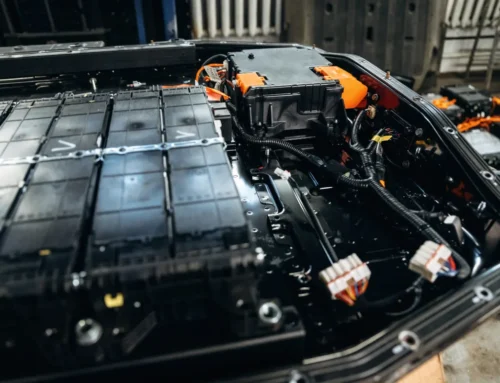
Battery placement also affects common body repairs for PHEVs. Most manufacturers position battery packs beneath the passenger compartment or in the rear cargo area. Even minor rear-end collisions can potentially impact these expensive components, requiring thorough diagnostic procedures before body work begins.
How Does PHEV Body Repair Differ from Traditional Auto Body Work?
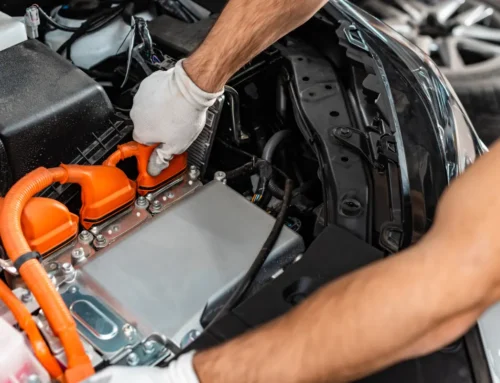
PHEV body repair requires specialized protocols that protect high-voltage systems while restoring structural integrity. Before any repair begins, technicians must disconnect the high-voltage battery system, verify zero voltage, and follow manufacturer lockout/tagout procedures to prevent electrical hazards. The repair process then addresses both conventional body damage and advanced technology components.
Key steps in common PHEV body repairs include:
- Pre-repair scanning: Diagnostic computers identify hidden damage to sensors, wiring, and control modules that visual inspection might miss
- High-voltage system isolation: Proper disconnection procedures protect technicians and prevent damage to sensitive electronic components
- Structural repair with correct techniques: Using manufacturer-approved welding methods for mixed-material body construction
- Component replacement verification: Ensuring aftermarket parts meet OEM specifications for safety and performance
- ADAS recalibration: Cameras, radar sensors, and parking assistance systems require precise alignment after body repairs
- Post-repair scanning and testing: Comprehensive diagnostics verify all systems function correctly before returning the vehicle
Understanding these specialized requirements is critical for quality repairs. Many insurance companies now recognize that PHEV collision repairs typically cost 15-20% more than comparable traditional vehicles due to additional safety procedures and technology considerations.
What Are the Most Common Body Repairs for 2026 PHEV Models?
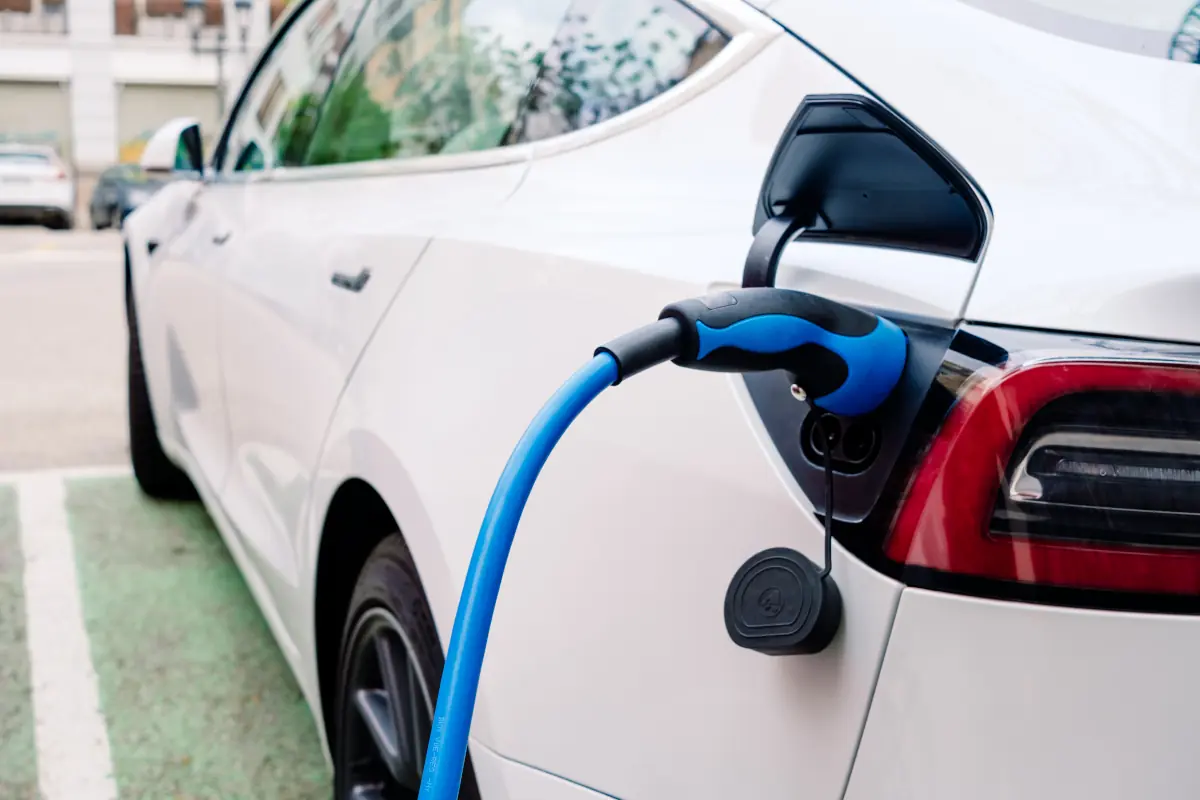
The most popular PHEVs in Sonoma County face similar collision damage patterns, though their advanced construction requires different repair approaches. Rear-end collisions represent the most frequent repair need, as distracted drivers don’t always notice when these quiet-running vehicles slow down or stop. For models with rear-mounted charging ports like the Chrysler Pacifica Hybrid, even minor impacts can damage both body panels and electrical charging infrastructure.
Door and quarter panel damage ranks second among common PHEV body repairs. Parking lot incidents, shopping cart collisions, and narrow Sonoma County wine country roads contribute to these repairs. Because many 2026 PHEV models integrate sensors and cameras into door mirrors and quarter panels for blind-spot monitoring and lane-keeping assistance, repairs extend beyond simple panel replacement to include ADAS calibration procedures.
Front-end collisions present the most complex repair scenarios. The 2026 Toyota RAV4 Prime, Subaru Crosstrek Hybrid, and Honda CR-V Hybrid pack their engine compartments with both traditional powertrains and electric components. Radiators, condensers, and battery cooling systems all occupy limited space, and proper repair requires careful attention to cooling system integrity. Any contamination between conventional coolant and battery thermal management systems can cause expensive damage.
Why Sonoma County PHEV Owners Choose Specialized Repair Shops
Sonoma County’s growing PHEV population needs collision repair facilities with proper equipment and training. At Downtown Autobody in Rohnert Park, our autobody shop maintains I-CAR Gold Class certification, which requires ongoing training in the latest PHEV repair techniques and safety protocols. Our technicians understand the specific requirements for popular 2026 models and maintain manufacturer-approved repair procedures.
Our facility features the only 80-foot paint booth in Sonoma County, which proves especially valuable for PHEV repairs. Many insurance companies total vehicles when paint quality across panels doesn’t match, and our extended booth ensures consistent application even on larger SUV and crossover PHEVs. This capability has helped many local vehicle owners avoid total loss determinations and preserve their investments.
The advanced technology in 2026 PHEVs also requires specialized diagnostic and calibration equipment. After collision repairs, our shop performs comprehensive pre-delivery inspections using OEM-level scan tools. This verification ensures all safety systems, from automatic emergency braking to lane departure warning, function exactly as the manufacturer intended. Without proper calibration, these systems may not protect occupants during future collisions.
Local Considerations for PHEV Collision Repairs
Driving conditions throughout Sonoma County create unique body repair needs for PHEV owners. Highway 101 commuters face higher-speed collision risks, while wine country visitors navigate narrow roads where vegetation can scratch panels and mirrors. Coastal fog near Bodega Bay reduces visibility, contributing to parking lot accidents. Understanding these local patterns helps our team anticipate common damage and maintain appropriate parts inventory.
Insurance considerations also affect PHEV body repairs. Some carriers prefer specific repair procedures that balance cost control with quality outcomes. Our team works directly with adjusters to ensure repair estimates include necessary PHEV-specific procedures like high-voltage system disconnection, pre and post-repair scanning, and ADAS calibration. This proactive communication prevents delays and ensures complete, safe repairs.
For Sonoma County residents who depend on their PHEVs for daily transportation, our loaner vehicles service keeps them mobile during repairs. We understand that PHEV owners chose their vehicles for specific reasons—fuel efficiency, environmental consciousness, or advanced technology—and we work efficiently to return properly repaired vehicles as quickly as possible without compromising quality.
The Future of PHEV Body Repairs in Sonoma County
As PHEV technology continues advancing, collision repair techniques evolve accordingly. Manufacturers increasingly integrate structural components with advanced sensors and high-voltage systems, requiring even more specialized repair knowledge. The 2026 model year represents a transition point where PHEVs move from niche vehicles to mainstream transportation options, particularly in environmentally conscious communities like Sonoma County.
Our commitment at Downtown Autobody includes staying current with these technological advances through continuous technician training and equipment upgrades. The same certification standards that guide our traditional collision repairs apply to PHEV work, ensuring every vehicle meets manufacturer specifications for safety and performance regardless of its power source.
PHEV Body Construction
Mixed-material use aims to optimize weight, assisting in maximizing electric range.
Common Collision Damage
Damage patterns frequent in rear-end and front-end collisions require intricate repair approaches.
Safety Considerations
Essential to follow high-voltage system precautions and rigorous diagnostic checks.
Local Repair Expertise
Regional repair shops use advanced training to manage unique PHEV requirements.
Protecting Your PHEV Investment
Your plug-in hybrid represents a significant investment in both transportation and environmental stewardship. When collision damage occurs, choosing a repair facility with proper PHEV training and equipment protects that investment. Understanding the common body repairs these vehicles need—and why they require specialized approaches—helps you make informed decisions about collision repair services.
Questions about your vehicle’s repair needs? Whether you drive a 2026 PHEV or a traditional vehicle, Downtown Autobody’s I-CAR Gold Class certified technicians bring the same commitment to quality and safety. Our Rohnert Park facility serves all of Sonoma County with the specialized equipment and expertise today’s advanced vehicles require. Contact us to discuss how our team can restore your PHEV to pre-accident condition with repairs that meet manufacturer specifications and protect your safety on the road.
Frequently Asked Questions About PHEV Body Repairs
How much more expensive are PHEV body repairs compared to regular cars?
PHEV collision repairs typically cost 15-20% more than comparable traditional vehicles. This increase covers specialized procedures like high-voltage system disconnection, pre and post-repair scanning, and ADAS recalibration. The actual cost depends on damage severity and which components are affected. Battery proximity concerns, mixed-material construction requiring specific welding techniques, and additional safety protocols contribute to higher repair estimates. At Downtown Autobody in Rohnert Park, we work directly with insurance adjusters to ensure estimates include all necessary PHEV-specific procedures while avoiding unnecessary costs.
Can any body shop safely repair my plug-in hybrid vehicle?
Not all body shops have the proper training and equipment for PHEV repairs. These vehicles require technicians with specialized certification in high-voltage safety procedures and ADAS calibration. Shops need manufacturer-approved repair procedures, proper diagnostic equipment, and lockout/tagout protocols to safely disconnect high-voltage systems. I-CAR Gold Class certification indicates a facility maintains current training on advanced vehicle technologies. Downtown Autobody’s certification and specialized equipment ensure we can safely handle the unique challenges of 2026 PHEV models throughout Sonoma County, from proper mixed-material welding to comprehensive post-repair verification.
How long do PHEV body repairs typically take?
PHEV body repairs generally take 2-5 days longer than traditional vehicles due to additional safety procedures and technology calibration. Simple repairs like door panel replacement might add 1-2 days for proper ADAS recalibration, while complex front or rear-end collision repairs could extend timelines by up to a week. Pre-repair scanning, high-voltage system isolation, structural repairs with manufacturer-approved techniques, and post-repair diagnostics all require additional time. Parts availability also affects timelines, as some PHEV-specific components may need ordering. Our team at Downtown Autobody provides realistic timeline estimates and offers loaner vehicles to keep Sonoma County residents mobile during repairs.
What happens if my PHEV’s battery is damaged in a collision?
Battery damage in PHEVs requires immediate professional assessment. Even minor rear-end collisions can potentially impact battery packs positioned beneath the passenger compartment or rear cargo area. Technicians perform thorough diagnostic procedures before beginning body work to identify any battery system damage. If the high-voltage battery is compromised, it typically requires replacement rather than repair due to safety concerns. Battery replacement significantly increases repair costs, sometimes leading insurance companies to total the vehicle. Downtown Autobody’s diagnostic equipment can accurately assess battery system integrity and work with insurance adjusters to determine the most appropriate course of action for your specific situation.
Do PHEV repairs require special safety precautions?
Yes, PHEV repairs require strict high-voltage safety protocols. Before any repair work begins, technicians must disconnect the high-voltage battery system, verify zero voltage using specialized equipment, and follow manufacturer lockout/tagout procedures. These precautions protect both technicians and sensitive electronic components from electrical hazards. Technicians need insulated tools, proper personal protective equipment, and training in high-voltage system identification. Even seemingly minor body repairs can involve proximity to high-voltage cables or components. Our I-CAR Gold Class certified technicians at Downtown Autobody complete ongoing training in these safety procedures, ensuring every PHEV repair in our Rohnert Park facility follows manufacturer specifications and industry best practices.
What is ADAS recalibration and why does my PHEV need it after body repairs?
ADAS (Advanced Driver Assistance Systems) recalibration realigns cameras, radar sensors, and parking assistance systems after collision repairs. Even minor body work can shift sensor positioning by millimeters, causing safety systems like automatic emergency braking, lane departure warning, and blind-spot monitoring to malfunction. Popular 2026 PHEVs integrate these sensors into bumpers, windshields, mirrors, and quarter panels—components frequently damaged in collisions. Recalibration uses specialized equipment to ensure sensors meet manufacturer specifications for accuracy. Without proper recalibration, these systems may not protect occupants during future collisions. Downtown Autobody’s calibration equipment and trained technicians ensure all safety systems function exactly as intended before returning your PHEV.
Will my insurance cover PHEV-specific repair procedures?
Most insurance companies cover necessary PHEV-specific repair procedures, though initial estimates may not include all required steps. High-voltage system disconnection, pre and post-repair scanning, and ADAS recalibration are essential safety procedures, not optional upgrades. Some carriers require documentation explaining why these procedures are necessary for your specific vehicle. At Downtown Autobody, we communicate proactively with insurance adjusters throughout Sonoma County to ensure repair estimates include all manufacturer-required procedures. We provide detailed explanations of PHEV repair requirements and work to prevent delays caused by incomplete estimates. Our experience with insurance processes helps ensure you receive complete, safe repairs covered by your policy.