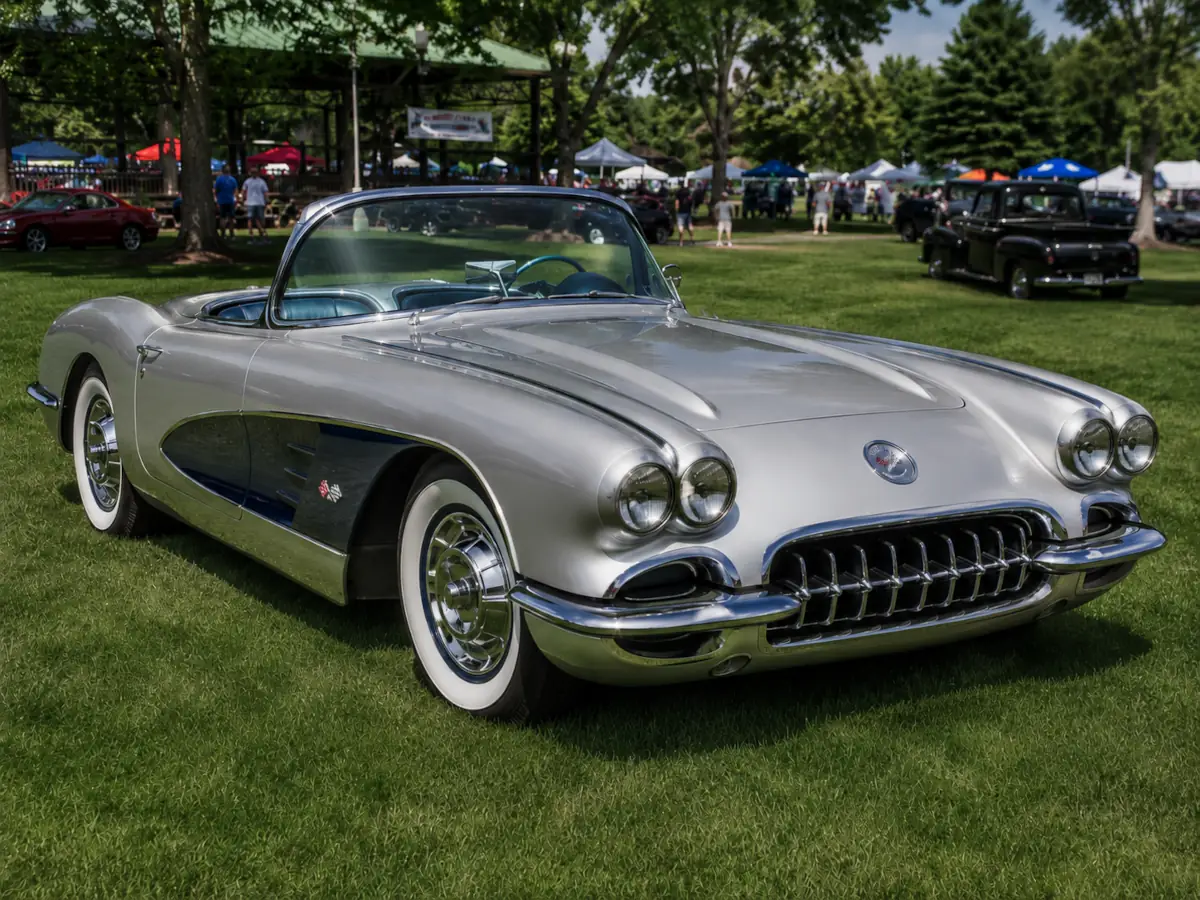
Updated: July 28, 2026
Custom paint often brings to mind bold graphics, loud color combinations, and finishes built to grab attention from across a parking lot. That approach works well for some drivers, but plenty of car owners want something quieter. If you like the idea of a refreshed look without turning your vehicle into a billboard, there’s a whole world of subtle, well-executed paint options worth considering.
At Downtown Autobody, we work with drivers who want their vehicle to look sharp without shouting for attention. Below are a few approaches to custom paint that stay on the tasteful side while still giving your car a distinct, polished appearance.
Why Understated Paint Choices Work
A high-quality paint job doesn’t need flames, wild graphics, or neon accents to stand out. Sometimes the cleanest, most refined look comes from doing less, but doing it well. A well-chosen color and a properly applied finish can make a car look more expensive and more intentional than a busy design ever could.
Our Auto Paint Shop handles everything from small touch-ups to complete repaints, so whether you’re covering a scuffed bumper or refinishing an entire vehicle, the same attention to detail applies.
Single-Color Finishes That Still Turn Heads
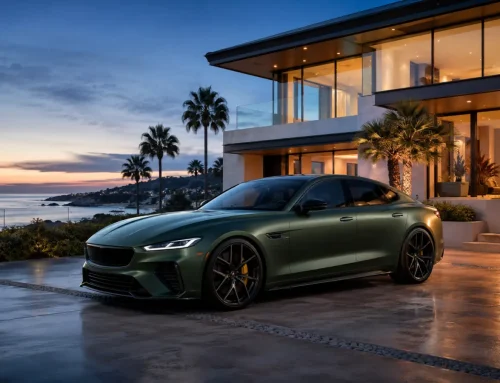
There’s a reason so many high-end vehicles stick to one color: it works. A single, well-chosen shade lets the lines of the car speak for themselves instead of competing with busy patterns or contrasting panels.
Sticking with one color doesn’t mean sticking with one look, though. The finish you choose changes the entire personality of the paint:
- A glossy finish gives a classic, polished appearance that reflects light cleanly.
- A matte or flat finish creates a more modern, low-glare look that reads as understated even in bright colors.
- A textured finish adds depth and visual interest without adding a second color at all.
Picking the right shade matters just as much as the finish. If you’re weighing options, our post on car color trends breaks down some of the shades drivers are gravitating toward right now.
Two-Tone Paint Jobs Done Right
If a single color feels too plain, a two-tone paint job is a natural next step while still keeping things tasteful. The key is choosing colors that complement each other rather than clash, and deciding how they’ll be divided across the vehicle.
Some layout options to consider:
- Top and bottom split, with a darker color low on the body and a lighter shade above (or the reverse).
- Front-to-back division, giving the car a distinct nose and tail treatment.
- Subtle stripes that run the length of the car rather than across it.
- A soft gradient where one color blends into the other rather than meeting at a hard line.
Getting a two-tone job to look intentional rather than accidental comes down to precise masking and color matching. Our technicians rely on a computerized color matching system to make sure every panel and transition lines up correctly, which matters even more when two colors are involved. You can read more about how that process works on the art of car paint matching.
Subtle Patterns and Textures
For drivers who want a bit more personality without going full show-car, subtle patterns are worth a look. Think soft whirls, faint paisley detailing, or a light textured pattern using colors that sit close together on the color wheel rather than high-contrast combinations.
The appeal of this approach is that it rewards a closer look. Someone glancing at the car sees a clean, well-finished vehicle. Someone who steps closer notices the detail work, the shading, and the craftsmanship that went into it. That’s a very different experience than a paint job designed purely to be noticed from a distance.
How the Paint Process Affects the Final Look
Whatever direction you choose, the outcome depends heavily on the paint system and process behind it. Our shop uses the Spies Hecker Waterborne Paint System, which uses fewer harsh solvents than many conventional paint systems while still producing a bright, lasting finish. It’s a lower-VOC option, so it’s easier on the environment without giving up the depth or shine drivers expect from quality paintwork.
Understanding what actually goes into a finished paint job also helps when deciding how ambitious to get with color or pattern work. Our breakdown of the different layers of auto paint explains why base coats, color coats, and clear coats each play a role in how a final finish looks and holds up.
Considerations Before Committing to a Custom Look
A few practical things are worth thinking through before settling on a design:
- Resale value: Simpler, tasteful designs tend to appeal to a wider range of future buyers than loud graphics.
- Maintenance: Textured or matte finishes sometimes require different care routines than a standard glossy clear coat.
- Application difficulty: Two-tone and pattern work require more precise masking and more time in the booth than a single-color job.
- Environmental impact: If that matters to you, ask about waterborne paint systems, which cut down on solvent emissions.
If you’re weighing eco-friendly paint options alongside your design choices, our article on eco-friendly paint covers what to expect from lower-impact systems.
Getting the Right Facility for the Job
Custom paintwork, even subtle custom paintwork, benefits from being done in a proper facility. Our thirty-five hundred square foot paint shop is built specifically for this kind of work, with the equipment needed to produce a clean, consistent finish whether you’re doing a small panel or a full vehicle.
For RV owners looking for the same kind of tasteful, well-executed paint update, our RV Auto Paint Shop is the only recreational vehicle paint facility in Sonoma County with a full 80-foot enclosed paint booth. The heated, cross-draft design allows us to bake the paint for a cleaner, factory-like result while cutting down on overspray.
Bringing Your Vision to the Shop
The best way to land on a tasteful custom paint job is to come in with a general idea and let a color matching system and an experienced technician help refine it. Whether you’re set on a single standout color, a carefully divided two-tone scheme, or a subtle pattern that rewards a closer look, the details of finish, color pairing, and application make the difference between a job that looks intentional and one that looks like an afterthought.
If you’re ready to talk through options for your vehicle, reach out through our contact page or give us a call. We’re happy to walk through finish types, color pairings, and what each approach involves before any paint goes on the car.