
When it comes to maintaining your vehicle's appearance and value, proper washing techniques are just as important as regular maintenance. Here in Sonoma County, where we experience everything from coastal fog to summer heat and winter rains, knowing how to properly wash your car can make all the difference in preserving your paint job and preventing unwanted scratches and swirl marks.
| Car Washing Element | Key Points |
|---|---|
| Washing Method | Hand washing with proper technique prevents micro-scratches and swirl marks |
| Proper Equipment | Microfiber materials, two-bucket system, and pH-neutral soap preserve paint integrity |
| Drying Technique | Proper drying prevents water spots that can etch into clear coat |
| Frequency | Regular washing prevents buildup of contaminants that damage paint over time |
Why Proper Car Washing Matters for Paint Protection
Many vehicle owners don't realize that improper washing is one of the most common causes of paint damage. Those mysterious swirl marks and fine scratches that seem to appear out of nowhere? They're often the result of incorrect washing techniques. Each time you wash your vehicle, you're either preserving or potentially damaging your paint finish.
Professional auto body repair specialists often see the cumulative damage from years of improper washing. Dirt particles act like sandpaper when dragged across your paint surface with improper tools or techniques. According to Consumer Reports, automatic car washes with abrasive brushes can be particularly damaging to your vehicle's finish over time.
The good news is that with the right approach, you can keep your vehicle clean while maintaining that showroom shine. Let's explore the best practices for washing your car that we recommend to our customers who want to maintain their vehicle's appearance between professional services at our auto body shop.
The Two-Bucket Method: Foundation of Proper Car Washing
The foundation of a proper car wash starts with the right setup. The two-bucket method is considered the gold standard among detailing professionals and auto body experts for minimizing paint damage during washing.
The concept is simple but highly effective: use one bucket with your soap solution and a second bucket with clean water for rinsing your wash mitt. This prevents you from reintroducing dirt particles back onto your vehicle's surface. Each time you wipe your car and collect dirt, you rinse the mitt in the clean water bucket before dipping it back into the soap solution.
For optimal paint protection during washing, consider these essential equipment recommendations:
- High-quality microfiber wash mitts trap dirt particles rather than dragging them across your paint surface, unlike sponges or regular towels that can cause micro-scratches.
- Grit guards placed at the bottom of each bucket prevent dirt from being picked up again once it settles to the bottom.
- pH-neutral car wash soap designed specifically for automotive finishes won't strip wax or protective sealants like household detergents can.
- Separate tools for wheels and lower panels prevent transferring brake dust and road grime to your paint surfaces.
- Microfiber drying towels that absorb water without dragging particles across the paint during the drying process.
When these tools are combined with proper technique, you'll significantly reduce the risk of introducing swirl marks and scratches during routine maintenance washing.
Proper Washing Technique and Paint Protection
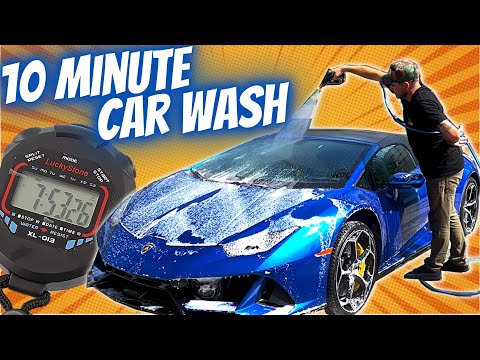
Starting with a thoroughly rinsed vehicle is essential for removing loose surface contaminants before your wash mitt makes contact with the paint. Always wash your vehicle in the shade when the surface is cool to prevent soap from drying too quickly and leaving residue that can damage your clear coat.
The washing technique itself is critical for paint preservation:
- Work from the top down as lower panels typically contain more abrasive dirt and road grime.
- Use straight-line motions rather than circular patterns which can create visible swirl marks in the clear coat.
- Rinse your wash mitt frequently in the clean water bucket to remove collected dirt before reloading with soap.
- Keep the vehicle wet throughout the process to provide lubrication and prevent dry spots where dirt can scratch.
- Change your water when it becomes visibly dirty to maintain effective cleaning power.
After washing, proper drying is equally important for preventing water spots that can etch into your clear coat over time. Water spots are particularly problematic in areas with hard water, which contains minerals that remain after evaporation. These mineral deposits can actually etch into your clear coat if left to dry naturally in the sun.
For best results, use a dedicated microfiber drying towel and consider a drying aid product that provides additional lubrication to prevent scratching during the drying process. Pat dry rather than wipe when possible, and work methodically to ensure no water is left standing on the vehicle's surface.
Proper Equipment
Microfiber materials, two-bucket system, and pH-neutral soap preserve paint integrity.
The Two-Bucket Method
Use two buckets to minimize dirt transfer, keeping paint surface cleaner and safer.
Paint Protection
Apply wax or sealant after washing for a protective barrier against environmental damage.
Beyond the Basic Wash: Additional Paint Protection Steps
A proper washing routine is just the foundation of comprehensive paint care. To truly maintain your vehicle's finish and protect it from environmental damage, consider incorporating these additional steps into your regular maintenance.
After the washing process is complete and your vehicle is thoroughly dry, applying protection products creates a barrier between your paint and environmental contaminants:
- Wax or sealant applications provide a sacrificial layer that takes damage instead of your clear coat and enhances water beading for easier cleaning.
- Ceramic coatings offer longer-lasting protection than traditional waxes and create a hardened surface that resists minor scratches and chemical damage.
- Paint protection film provides the ultimate physical barrier against stone chips and road debris in vulnerable areas like the front end.
- Regular clay bar treatments (every 3-6 months) remove embedded contaminants that washing alone cannot remove.
These protective measures not only keep your vehicle looking its best but can also preserve its value over time. A well-maintained finish is often one of the first things potential buyers notice when assessing a vehicle's overall condition.
For vehicles that have already developed swirl marks or minor scratches from improper washing, professional paint correction services can restore your finish. Our I-CAR Gold Class certified technicians have the expertise and equipment to safely remove these imperfections and bring back your vehicle's original luster.
Protecting Your Investment Long-Term
Regular and proper washing is an essential part of maintaining your vehicle's appearance and value. By following professional-grade washing techniques, you're not just keeping your car clean – you're protecting one of your most significant investments.
Remember that environmental factors in Sonoma County – from sea spray near the coast to agricultural dust in vineyard areas – can create unique challenges for vehicle finishes. Adapting your washing frequency to your specific driving conditions is key to long-term paint protection.
As your local auto body experts, we're always available to answer questions about vehicle care and maintenance. Whether you need advice on products for your specific vehicle finish or professional services to correct existing damage, Downtown Autobody is committed to helping you maintain your vehicle's appearance and value for years to come. Feel free to contact us with any questions about preserving your vehicle's finish between professional services.