
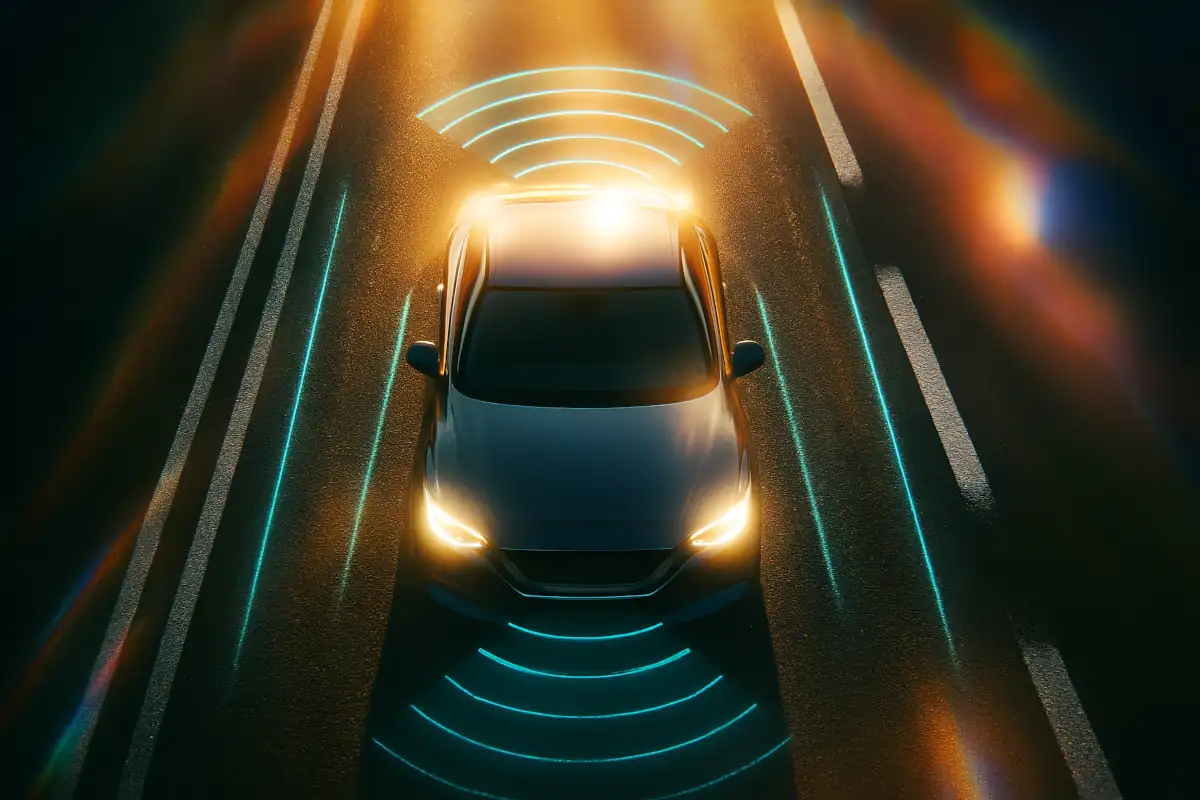
Highway 101 through Sonoma County moves fast. Whether you’re merging in Santa Rosa or cruising past the Petaluma exits, your vehicle’s lane departure warning and collision avoidance systems are quietly working in the background—watching lane markings, monitoring blind spots, and preparing to alert you before you drift. But what happens when one of those sensors gets damaged in a collision? The choice between OEM lane departure sensors and aftermarket alternatives is one of the most important—and most misunderstood—decisions you’ll make during the repair process.
At Downtown Autobody in Rohnert Park, we’re I-CAR Gold Class certified, which means we follow the industry’s highest repair standards for advanced driver assistance systems (ADAS). We see this question almost every week. This article breaks down exactly what you need to know before your shop installs a replacement sensor.
| Topic | What You’ll Learn |
|---|---|
| OEM vs. Aftermarket Sensors Explained | What the difference is and why it matters for safety |
| How Lane Assist Calibration Works | Why sensor replacement isn’t enough—recalibration is essential |
| Risks of Aftermarket ADAS Parts | What can go wrong when sensors aren’t properly matched |
| What to Ask Your Repair Shop | The right questions to protect yourself and your family |
What’s the Difference Between OEM and Aftermarket Lane Assist Sensors?
OEM stands for Original Equipment Manufacturer. An OEM sensor is made by—or built to the exact specifications of—the company that built your vehicle. When Toyota engineers designed your Camry’s lane keep assist system, they tested that specific camera and radar unit thousands of times before it ever reached your dashboard. An OEM part is the same component, or a functionally identical replacement, designed to integrate seamlessly with your vehicle’s onboard computer.
Aftermarket sensors, on the other hand, are made by third-party manufacturers. Some are high quality. Many are not. The problem isn’t always the sensor itself—it’s the compatibility. Your vehicle’s ADAS network, which may include a windshield camera sensor, radar-based blind spot monitoring sensor, and ultrasonic proximity detectors, communicates constantly using manufacturer-specific software protocols. A sensor that is “close enough” in specification may still fail to communicate correctly with your vehicle’s safety computer.
According to the National Highway Traffic Safety Administration (NHTSA), ADAS technologies like forward collision warning and lane departure systems have been shown to significantly reduce crash rates—but only when they are functioning as designed. A mismatched or uncalibrated sensor doesn’t just underperform. It can give false readings, fail to alert you, or in some cases, interfere with other safety systems entirely. The benefit of getting this right the first time is simple: your safety system either works or it doesn’t.
Does Replacing a Lane Assist Sensor Require Recalibration?
Yes—every time. Replacing a lane departure sensor, forward collision warning camera, or blind spot radar unit requires lane keep assist system recalibration before the system works correctly. Calibration aligns the sensor’s field of view with your vehicle’s exact dimensions and computer. Without it, the system may warn you at the wrong time—or not at all.
This is one of the most common gaps we see after repairs done at shops that aren’t properly equipped for ADAS work. The sensor gets replaced, the car looks fine, and the driver assumes everything is back to normal. But the adaptive cruise control calibration was never completed. That means the system is operating on bad data.
Here’s what a proper ADAS sensor replacement process looks like at a qualified shop:
- Damage assessment: A collision diagnostic scan identifies which sensors were affected, even if they aren’t visibly damaged.
- OEM part sourcing: The correct manufacturer-specified sensor is ordered—not a generic substitute.
- Physical installation: The sensor is mounted in the exact factory position, which matters for radar and camera angle.
- Static or dynamic calibration: Depending on the vehicle, calibration is performed using targets in a controlled environment, or on a test drive with specific road conditions.
- Post-repair scan: A final diagnostic confirms all ADAS modules are communicating correctly and no fault codes remain.
- Documentation: A reputable shop provides written records of what was replaced and calibrated—important for insurance and resale.
Skipping any one of these steps creates a gap in your vehicle’s safety network. It’s also worth noting that many modern vehicles—especially Honda, Toyota, and Subaru models popular in Sonoma County—use integrated windshield camera sensor replacement systems that are extremely sensitive to mounting position. Even a millimeter of misalignment can throw off the system’s lane detection range. To understand how this process works in more depth, our blog on what ADAS calibration is and why it matters goes into greater detail.
Choosing aftermarket parts for these systems introduces another layer of risk: software mismatch. Your vehicle’s ECU expects to receive data in a specific format. Many aftermarket lane assist sensors aren’t coded to match that format precisely. The sensor may appear to “work” during a basic visual check but fail under real driving conditions—like a foggy morning on the Sonoma Coast or a sun-glare situation heading east on Highway 12.
Why Sonoma County Drivers Should Ask About ADAS Before Any Collision Repair
Not every shop in the North Bay has the equipment or training to handle advanced driver assistance systems repair properly. ADAS calibration requires a dedicated workspace—flat floors, controlled lighting, specific target setups—and manufacturer-level diagnostic software. It also requires technicians who are trained to interpret the results. This is a significant investment, and many shops simply don’t have it.
Downtown Autobody in Rohnert Park has built our facility specifically to handle these repairs correctly. Our I-CAR Gold Class certification—the gold standard in collision repair training recognized across the industry—means our technicians complete ongoing education on exactly these systems. We stay current as vehicle technology evolves, because a 2024 Honda Pilot’s collision avoidance sensor replacement process is meaningfully different from what was required in 2019.
We also understand that Sonoma County drivers deal with specific road conditions that put ADAS systems to the test: rural two-lane roads without clear lane markings, heavy fog near the coast, and the kind of stop-and-go on 101 near Windsor that exercises adaptive cruise control constantly. Your safety systems need to be calibrated for real-world performance, not just cleared of fault codes.
If your vehicle has been in a collision—even a minor one—and any part of the front bumper, windshield, grille, or side mirrors was affected, it’s worth asking specifically about sensor inspection. Many sensors are hidden inside bumper fascias and mirror housings. You can’t see the damage from the outside. Our auto body repair services include full diagnostic scanning as part of every collision estimate, so nothing gets missed.
We also work with most major insurance carriers and can help you understand what your policy covers for OEM parts. Some policies include OEM endorsements—which means you may be entitled to manufacturer-spec sensors at no additional out-of-pocket cost. It’s worth asking before you approve the repair. And if you’d like to understand more about how we approach quality and certification, visit our page on why certification matters in collision repair.
The Bottom Line on OEM vs. Aftermarket ADAS Sensors
Your lane departure warning system, blind spot monitor, and forward collision alert are only as reliable as the parts and calibration behind them. OEM sensors are engineered to work with your vehicle’s specific software and safety architecture. Aftermarket alternatives may save money upfront but introduce compatibility and performance risks that can compromise the systems your family depends on.
Proper lane keep assist system recalibration after any sensor replacement isn’t optional—it’s what turns a replaced part into a functioning safety system. And in Sonoma County, where road conditions range from busy freeway merges to winding rural roads, that distinction matters every single day.
If your vehicle has been in a collision, or if you’re noticing ADAS warning lights on your dashboard, don’t wait. At Downtown Autobody, we’re here to give you honest answers and repairs done right. Questions about your vehicle’s sensor replacement or calibration needs? Reach out to our team in Rohnert Park—we’re happy to walk you through your options without pressure, just straight information from people who care about getting it right.
Frequently Asked Questions
What is the difference between OEM and aftermarket lane assist sensors?
OEM sensors are made by or built to the exact specifications of your vehicle manufacturer, ensuring compatibility with your vehicle’s ADAS software and safety systems. Aftermarket sensors are produced by third-party manufacturers and may not communicate properly with your vehicle’s onboard systems.
Why does ADAS sensor calibration matter after a collision repair?
ADAS calibration ensures lane departure warning systems, blind spot monitors, and collision avoidance sensors are aligned correctly with your vehicle’s dimensions and software. Without recalibration, these systems may provide false alerts or fail to respond when needed.
Do lane assist sensors need recalibration every time they are replaced?
Yes. Every time a lane assist sensor, radar unit, or windshield camera is replaced, the system should be recalibrated using manufacturer-approved procedures to restore proper safety performance.
What risks come with aftermarket ADAS sensors?
Aftermarket sensors can introduce software compatibility problems, inaccurate readings, warning delays, or communication failures between safety modules. Even if they appear functional initially, they may not perform reliably in real driving conditions.
What happens during a proper ADAS sensor replacement?
A qualified repair shop performs diagnostic scanning, installs the correct OEM sensor, completes static or dynamic calibration, runs a post-repair system scan, and documents the completed work for safety verification.
Can a minor accident affect lane departure or blind spot systems?
Yes. Even minor impacts involving the bumper, grille, mirrors, or windshield can damage hidden ADAS sensors or knock them out of alignment, affecting system accuracy and performance.
Why should drivers ask about OEM parts during collision repair?
OEM parts are designed to integrate correctly with manufacturer safety systems, helping preserve the original performance of lane keep assist, adaptive cruise control, and collision warning features.
Does insurance ever cover OEM ADAS sensor replacements?
Some insurance policies include OEM parts endorsements, which may cover manufacturer-spec replacement sensors. Drivers should ask their insurance carrier and repair shop about OEM coverage before approving repairs.