
Updated: Aug 6, 2025
Getting your vehicle repainted isn’t just about choosing a color. In Sonoma County, where your car faces everything from coastal fog to intense summer heat, the quality of your paint job directly impacts both appearance and long-term value.
Before committing to a car, truck, or RV repaint project, understanding what separates a quality paint job from a disappointing one can save you significant frustration and expense.
| Paint Consideration | Key Points |
|---|---|
| Preparation Quality | Represents 70-80% of labor time in professional repaints |
| Paint Type Selection | Determines durability, finish quality, and long-term appearance |
| Facility Capabilities | Proper paint booths prevent contamination and ensure even application |
| Technician Expertise | Certified technicians deliver superior color matching and finish quality |
| Cost vs. Value | Lower prices typically mean shortcuts in crucial preparation steps |
1. The Truth About Preparation Work: Why It Makes or Breaks Your Paint Job
The single most important factor in any automotive paint job isn’t the paint itself—it’s the preparation. According to I-CAR industry standards, preparation accounts for 70-80% of the total labor time in a quality paint job. This critical phase involves meticulous sanding, cleaning, masking, priming, and addressing any underlying issues like rust, dents, or previous paint damage.
When comparing quotes for your car or truck repaint, understand that significant price differences typically reflect vast disparities in preparation time. Budget paint services often reduce prep time from days to mere hours, skipping essential steps like proper sanding between coats or thorough degreasing. These shortcuts become painfully evident within months as paint begins to peel, bubble, or develop uneven coloration.

Professional auto body shops invest substantial time in preparing surfaces properly before any paint is applied. At our auto body repair facility, technicians meticulously remove or protect trim pieces, thoroughly sand surfaces, apply appropriate primers, and ensure every inch of your vehicle is properly prepared. This attention to detail explains why quality paint jobs cost more—the preparation phase requires significant skilled labor and cannot be rushed.
2. Paint Quality and Selection Considerations
The type and quality of paint used dramatically impacts the appearance, durability, and longevity of your vehicle’s finish. Modern automotive paints fall into several categories, each with distinct characteristics that affect both price and performance.
When evaluating paint options, consider these important factors:
- Paint technology – Urethane-based paints offer superior durability and UV resistance compared to older acrylic formulations, providing better protection against fading and environmental damage.
- Base coat/clear coat systems – Professional paint jobs utilize separate color and protective clear layers, delivering depth, shine, and resistance to scratches that single-stage paints cannot match.
- Color matching capability – Quality paint systems use computerized color matching technology to ensure perfect blending with existing paint, particularly important for partial repaints.
- Environmental considerations – Modern waterborne paints reduce harmful emissions while providing excellent finish quality, though they require specialized application equipment.
- Warranty coverage – Premium paint products often include manufacturer warranties against defects, fading, or premature failure, reflecting their superior quality.
The difference between economy and premium paints becomes evident not just immediately after application, but especially over time. Economy paints may look acceptable initially but typically lack the UV inhibitors, binding agents, and pigment quality needed for long-term performance in Northern California’s diverse climate conditions.
3. The Importance of Proper Facilities and Equipment
The environment where your vehicle is painted significantly impacts the final result. Professional paint facilities maintain controlled conditions that simply cannot be replicated in makeshift settings or outdoor environments.
A proper automotive paint facility includes:
- Dedicated paint booths with filtered air systems that eliminate dust and contaminants
- Temperature and humidity controls for optimal paint curing
- Professional spray equipment that ensures even application and proper atomization
- Specialized lighting that reveals imperfections during preparation and application
- Infrared curing systems that ensure complete and proper hardening of paint layers
- Proper ventilation systems that protect both technicians and the environment
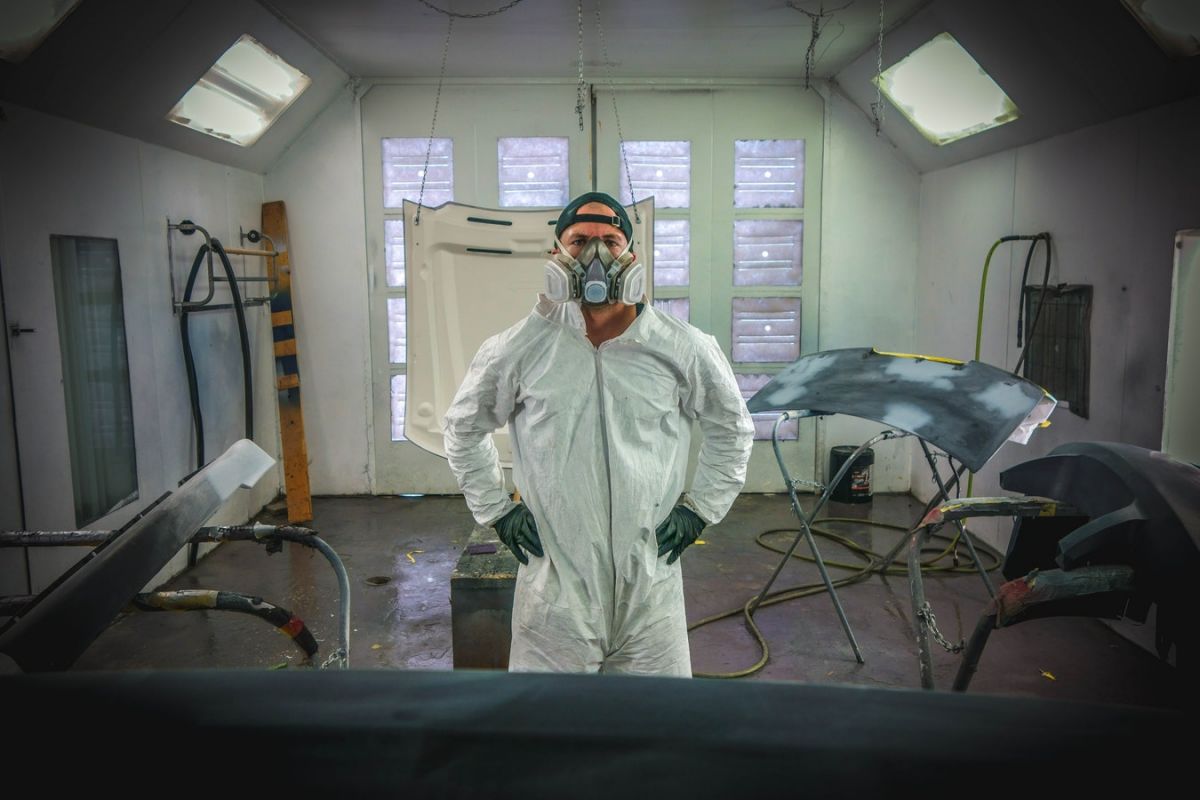
Downtown Autobody houses Sonoma County’s only 80-foot paint booth facility, capable of accommodating everything from compact cars to commercial vehicles and RVs. This dedicated space ensures contaminant-free application regardless of vehicle size or project complexity.
Without proper facilities, even the best paint products cannot achieve their potential. Dust contamination, temperature fluctuations, and improper curing conditions lead to surface imperfections, reduced durability, and finish problems that no amount of buffing can correct.
4. Technician Certification and Expertise
Behind every exceptional paint job stands a highly trained technician. The difference between amateur and professional results often comes down to the expertise of the person holding the spray gun.
I-CAR Gold Class certification represents the industry’s highest training achievement, requiring technicians to undergo rigorous education in current repair techniques and technologies. This certification ensures technicians understand not just how to apply paint, but how to properly prepare surfaces, address underlying issues, and create finishes that meet or exceed factory specifications.
When exploring paint services for your car or truck, inquire about technician certifications and training. Skilled painters understand the nuances of paint viscosity, application techniques, flash times between coats, and the myriad details that produce a flawless finish. This expertise doesn’t develop overnight—it represents years of training and experience.

For specialized vehicles such as RVs, commercial trucks, or classic cars, this expertise becomes even more critical. Our RV repair specialists understand the unique challenges these larger vehicles present, from matching multiple paint surfaces to addressing specialized materials often found in recreational vehicles.
5. Understanding True Value in Automotive Painting
The old adage “you get what you pay for” applies perfectly to automotive painting. While the initial price difference between a budget paint job and a professional one may seem substantial, the long-term value proposition becomes clear when considering longevity, appearance, and protection.
A quality paint job protects your vehicle’s body from rust and environmental damage while maintaining or enhancing its resale value. Conversely, a poor paint job can actually decrease value by signaling potential maintenance issues to future buyers.
When evaluating painting services, consider these value factors:
- Longevity – A professional paint job typically lasts 10-15 years compared to 2-3 years for budget alternatives
- Warranty coverage – Reputable shops stand behind their work with guarantees against defects
- Resale impact – Quality paintwork can increase vehicle value by 5-10% according to industry estimates
- Protection benefits – Proper paint systems shield your vehicle’s body from corrosion and UV damage
- Appearance consistency – Professional color matching ensures repairs blend seamlessly with existing paint
The difference between a $500 paint job and a $3,000 paint job isn’t primarily in materials—it’s in the hours of skilled labor required for proper preparation, application, and finishing. Budget services must significantly reduce labor time to offer lower prices, inevitably compromising quality at every stage.
Preparation Quality
70-80% of labor involves meticulous prep, crucial for durability.
Paint Type Selection
Urethane paints offer superior UV resistance and longevity.
Facility Capabilities
Controlled environments ensure contamination-free, evenly applied paint.
Technician Expertise
Certified technicians ensure superior color matching and finish quality.
Making Your Decision
Repainting your vehicle represents a significant investment in both its appearance and longevity. Understanding that proper preparation constitutes the majority of a quality paint job helps explain price differences between services and sets realistic expectations.
Before committing to any paint service, request detailed information about preparation processes, paint products, facility capabilities, and technician certifications. Ask to see examples of completed work, particularly vehicles similar to yours, and inquire about warranty coverage. These questions quickly reveal the level of professionalism and quality you can expect.
As your local Northern California auto body specialists, we’re always available to answer questions about your vehicle’s paint needs, whether you’re considering a full repaint or addressing specific damage. Our I-CAR Gold Class certified technicians can provide honest assessments and detailed explanations of the processes involved in delivering a paint finish that truly stands the test of time.