
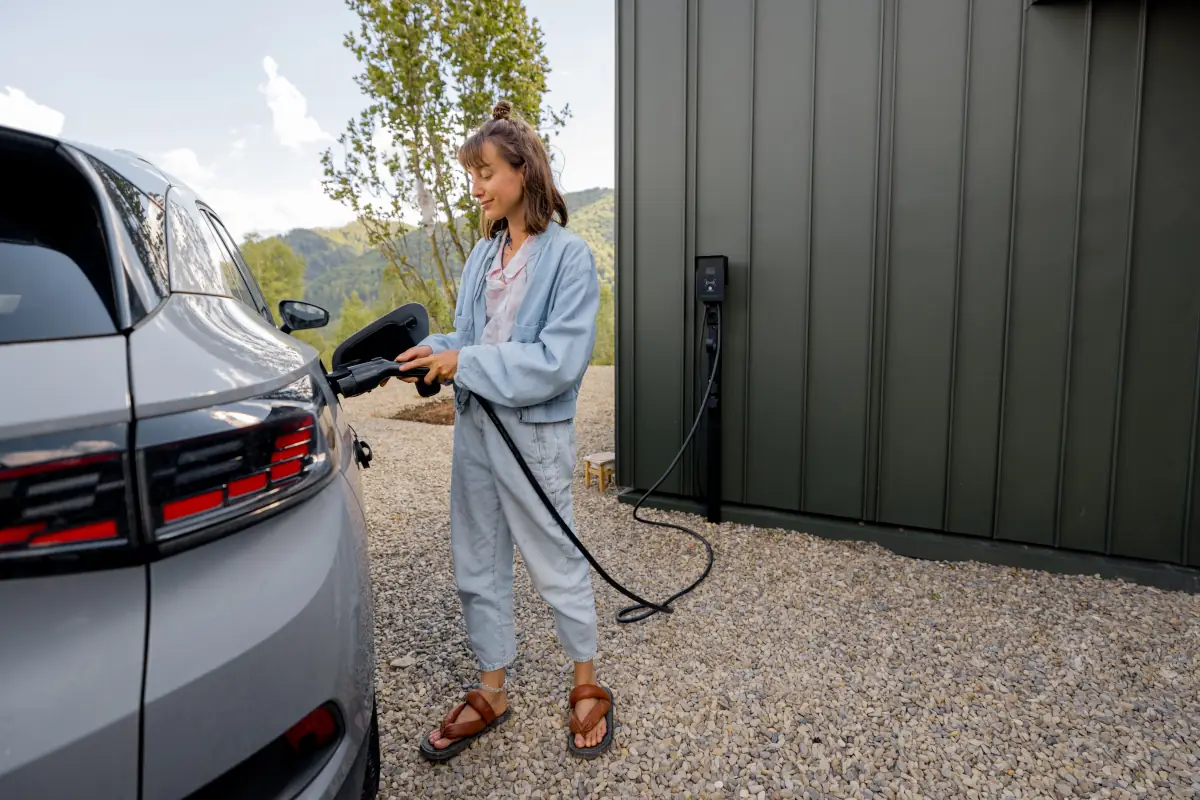
In today’s rapidly evolving automotive landscape, electric vehicles (EVs) and hybrids are becoming increasingly common on Sonoma County roads. When these specialized vehicles require collision repair, they present unique challenges that demand specific expertise and equipment. At Downtown Autobody, we understand that proper repair of these advanced vehicles is crucial not just for aesthetics, but for maintaining their sophisticated safety systems and structural integrity.
| Topic | Key Points |
|---|---|
| High-Voltage Safety | Specialized training required, certified technicians, proper disconnection procedures |
| Battery Damage Assessment | Non-visible damage detection, thermal imaging, specialized diagnostic tools |
| Material Differences | Lightweight materials, aluminum components, special joining techniques |
| Specialized Equipment | Dedicated tools, manufacturer-specific diagnostics, certified repair processes |
| Insurance Considerations | Higher repair costs, specialized parts, longer repair timelines |
Understanding the EV/Hybrid Difference
When an EV or hybrid vehicle is involved in a collision, the repair process differs significantly from conventional vehicles. According to the I-CAR Electric Vehicle Program, technicians must complete specialized training to safely work with high-voltage systems that can exceed 400 volts. This isn’t just following procedures—it’s about ensuring technician safety and preserving the vehicle’s complex electrical architecture.
The first major difference is the presence of high-voltage components throughout the vehicle. Before any repair work can begin, technicians must properly de-energize the high-voltage system following manufacturer-specific protocols. This critical safety step requires specialized knowledge and equipment that many traditional body shops simply don’t possess. Improper handling can result in serious injury to technicians or permanent damage to expensive electrical components.
High-Voltage Safety
Specialized training and certified technicians are crucial for safe handling.
Battery Damage Assessment
Detect non-visible damage with thermal imaging and diagnostics.
Material Repairs
Adapt repair techniques for aluminum and lightweight materials.
Critical Safety Considerations for EV and Hybrid Repairs
Safety considerations extend far beyond the high-voltage system. Modern EVs and hybrids incorporate sophisticated sensor arrays that control everything from regenerative braking to autonomous driving features. Even minor collisions can disrupt the calibration of these systems, making proper diagnostic assessment and recalibration essential parts of the repair process.
When it comes to battery integrity, the stakes couldn’t be higher. Even seemingly minor damage to the battery enclosure or cooling system can create serious safety hazards. Our technicians follow strict protocols for battery assessment, including:
- Comprehensive visual inspection of battery housing for any structural compromise
- Specialized diagnostic scanning to identify internal battery module damage
- Thermal imaging to detect potential hot spots or cooling system issues
- Isolation testing to verify high-voltage system integrity
- Manufacturer-specific testing procedures to ensure battery management system functionality
- Documentation and reporting of all findings for insurance and warranty purposes
The Technology Behind Proper EV and Hybrid Repairs
Proper repair of electric and hybrid vehicles begins with accurate diagnostics. Unlike conventional vehicles, where mechanical damage may be readily apparent, EVs require comprehensive electronic assessment to identify issues with the high-voltage system, battery management, and various control modules.
Our approach includes:
- Advanced electronic diagnostic scanning before and after repairs
- Manufacturer-specific repair protocols for each vehicle type
- Specialized aluminum and composite material repair techniques
- Dedicated clean area for electrical component handling
- Factory-equivalent calibration of advanced driver assistance systems (ADAS)
- Comprehensive post-repair verification testing
The paint process also requires special consideration for EVs and hybrids. Many of these vehicles utilize specialized paint formulations and techniques to reduce weight and improve aerodynamics. Our state-of-the-art 80-foot paint booth facility ensures that your vehicle’s finish is restored to factory specifications, preserving both its appearance and efficiency.
Additionally, properly repairing EVs and hybrids often requires more extensive documentation than conventional vehicles. Manufacturers and insurance companies may require detailed records of all procedures performed, parts replaced, and verification testing completed. Our systematic approach ensures that all repair documentation meets these stringent requirements, helping to preserve your warranty coverage and vehicle value.
Making Informed Decisions About Your EV or Hybrid Repair
When your electric or hybrid vehicle needs collision repair, choosing the right facility makes all the difference. I-CAR Gold Class certification, which our technicians hold, indicates the highest level of training in the industry—including specialized knowledge of electric vehicle repair procedures.
Insurance considerations are another important factor. The specialized nature of EV and hybrid repairs often results in higher repair costs and longer completion times. Our team works directly with insurance companies to ensure they understand the manufacturer-required procedures and components necessary for a proper repair. We can also help with transportation solutions through our loaner vehicle program while your vehicle is being repaired.
Remember that improper repairs to electric vehicles can have serious consequences beyond cosmetic issues. Battery systems compromised by collision damage or improper repair techniques may pose fire risks or reduce the vehicle’s range and efficiency. By choosing a properly qualified repair facility from the start, you can avoid these potential problems and ensure your sophisticated vehicle performs as designed for years to come.
Conclusion
As electric and hybrid vehicles become increasingly common on Sonoma County roads, having access to qualified repair facilities becomes increasingly important. The unique challenges presented by these advanced vehicles require specialized knowledge, equipment, and procedures to address properly.
At Downtown Autobody, we’ve made the investments in training and technology necessary to properly repair today’s sophisticated electric and hybrid vehicles. Our commitment to staying current with the latest repair techniques ensures that your vehicle receives the care it deserves.
If you have questions about electric or hybrid vehicle repairs, or would like to schedule an assessment of collision damage, we invite you to contact our team of certified professionals. As a partnership-owned business serving the local community, we’re dedicated to providing the highest level of service for all your collision repair needs.