
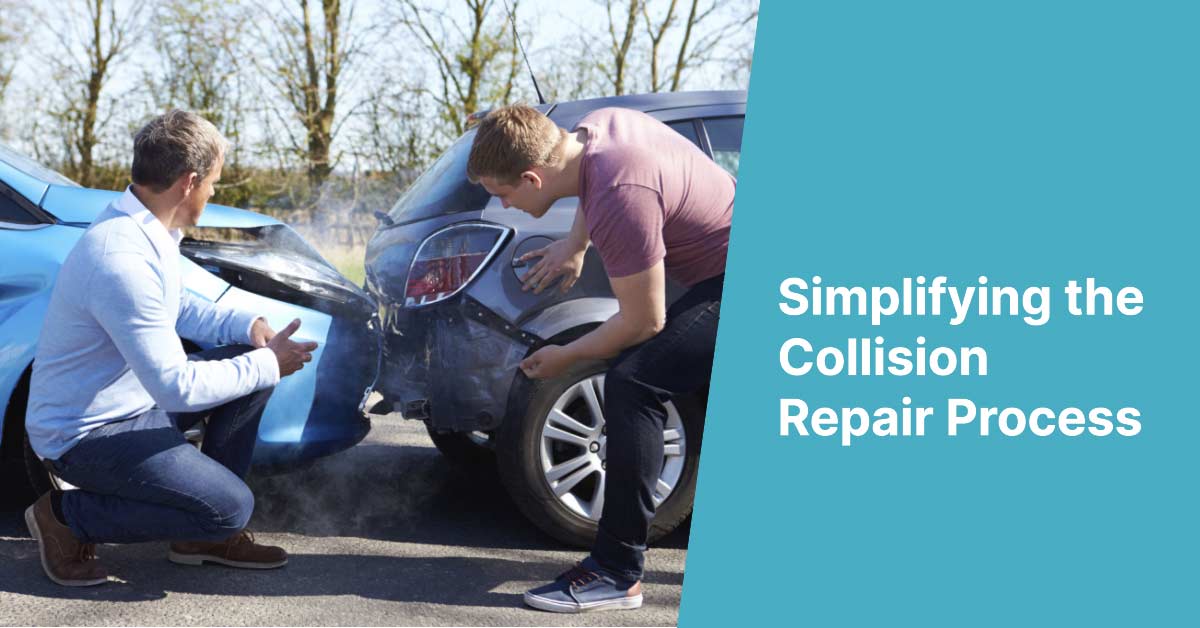
That unsettling crunch of a fender bender in a Rohnert Park parking lot leaves most drivers asking the same critical question: can I safely drive home, or do I need a tow? Even seemingly minor collisions can compromise your vehicle's structural integrity, brake systems, or suspension components in ways that aren't immediately visible. What appears as simple cosmetic damage on the surface may hide serious safety issues underneath—and the decision to drive or tow can mean the difference between a manageable repair and a dangerous breakdown on Highway 101.
As your local auto body experts here in Sonoma County, we've assessed thousands of post-collision vehicles over the years. We've seen minor rear-end taps that caused no hidden damage alongside gentle parking lot bumps that bent subframes and compromised steering systems. Understanding what to check and when to call for professional help protects both your safety and your vehicle's long-term value.
| Assessment Area | Key Safety Indicators |
|---|---|
| Fluid Leaks | Puddles forming under vehicle indicate brake, fuel, or coolant system damage requiring immediate professional evaluation |
| Tire & Wheel Damage | Bulges, cuts, misalignment, or unusual tire angles suggest suspension or steering compromise that makes driving unsafe |
| Warning Lights | Illuminated dashboard indicators for airbags, ABS, or check engine signal electronic system damage needing immediate attention |
| Structural Issues | Doors that won't close, hood misalignment, or visible frame bending indicate structural damage affecting crashworthiness |
| Steering Response | Pulling to one side, vibrations, or difficulty steering reveal alignment or suspension damage requiring towing |
Immediate Post-Collision Safety Assessment
The moments immediately following a collision are critical for determining whether your vehicle remains roadworthy. Before even considering driving away from the accident scene, perform a systematic visual inspection walking completely around your vehicle. Look beneath the car for any fluids dripping or pooling—brake fluid appears clear to amber, coolant is typically bright green or orange, and fuel has a distinctive odor. Any fluid leak, regardless of how minor it seems, represents a potential safety hazard that warrants professional towing rather than attempting to drive.
Next, examine all four tires and wheels carefully. A collision's force transfers through your vehicle's structure in ways that can damage components far from the initial impact point. Check for tire sidewall bulges, cuts, or unusual wear patterns that developed during the collision. Look at wheel alignment—if any tire appears to point at an odd angle compared to the others, your suspension or steering components have sustained damage. According to the Insurance Institute for Highway Safety, suspension damage significantly increases accident risk and should never be ignored, even after minor collisions.
Pay close attention to your dashboard warning lights once you start the engine. Modern vehicles feature sophisticated sensor networks that monitor everything from airbag readiness to brake system function. An illuminated airbag warning light indicates your safety restraint system may not deploy properly in a subsequent collision—a critical safety concern. Similarly, ABS or brake warning lights suggest brake system compromise that dramatically increases stopping distances. If any warning lights illuminate that weren't lit before the collision, your vehicle requires professional inspection before driving.
Hidden Damage That Compromises Vehicle Safety
The most dangerous collision damage hides beneath surface-level cosmetic issues where vehicle owners can't easily see it. Your vehicle's unibody structure or frame provides the foundation for all safety systems, and even minor collisions can bend, crack, or weaken these critical components. Frame damage may not prevent your car from starting or cause obvious driving problems initially, yet it fundamentally compromises your vehicle's ability to protect occupants in a subsequent collision.
Several types of hidden collision damage create serious safety concerns that aren't immediately apparent:
- Suspension component damage: Bent control arms, damaged struts, or compromised ball joints alter your vehicle's handling characteristics and can cause sudden mechanical failure during driving. These components absorb tremendous force during collisions and may appear functional while harboring structural cracks.
- Steering system compromise: Impact forces can bend steering linkages, damage power steering components, or misalign rack-and-pinion assemblies. You might notice pulling to one side, but internal damage may worsen progressively until steering fails completely.
- Brake system issues: Collisions can crimp brake lines, damage calipers, or compromise the ABS module. Brake performance may seem normal initially but deteriorate rapidly as damaged components leak fluid or fail under stress.
- Electrical system damage: Modern vehicles contain miles of wiring harnesses that can suffer internal breaks during collisions. Intermittent electrical problems may develop that affect critical safety systems including airbags, stability control, and lighting.
- Fuel system leaks: Even small impacts near fuel tanks or fuel lines can create tiny cracks that leak gasoline vapor or liquid fuel, creating serious fire risks that increase over time as vibration widens the damage.
Professional collision assessment at certified facilities reveals these hidden issues through systematic inspection processes. I-CAR Gold Class certified technicians follow standardized procedures that check structural alignment, measure frame dimensions against manufacturer specifications, and test safety system function electronically. This level of thorough evaluation simply isn't possible through roadside visual inspection, which is why experts recommend professional assessment even after collisions that seem minor.
When to Call for Towing Instead of Driving
Certain post-collision conditions absolutely require professional towing rather than attempting to drive your vehicle. If you notice any fluid leaking from under your car, don't drive—brake fluid loss can cause complete brake failure within minutes, while coolant leaks lead to engine overheating and potential fire. Fuel leaks create immediate fire and explosion risks that increase with every running minute. The cost of emergency towing pales in comparison to the potential consequences of driving a vehicle with fluid system compromise.
Additional clear indicators that towing is necessary include:
- Tire or wheel damage: Driving on damaged tires or bent wheels can cause blowouts at speed or wheel separation. If you see visible tire damage, wheel rim bending, or unusual tire angles, arrange for towing immediately.
- Illuminated warning lights: Dashboard warnings for airbags, ABS, brake systems, or check engine lights that appeared after the collision indicate safety system compromise requiring professional diagnosis before driving.
- Steering or handling problems: If your vehicle pulls strongly to one side, steering feels loose or unresponsive, or you experience vibrations through the steering wheel, suspension or steering damage makes driving unsafe.
- Structural misalignment: Doors that won't close properly, hoods or trunk lids that no longer align, or visible body panel gaps indicate frame or unibody structure damage affecting crash protection.
- Mechanical noises: Grinding, clunking, or scraping sounds when attempting to drive suggest damaged mechanical components dragging or binding that can fail catastrophically.
- Smoke or burning odors: Any smoke or burning smell indicates electrical shorts, fluid leaking onto hot components, or mechanical friction from damaged parts—all requiring immediate shutdown and towing.
When in doubt about your vehicle's drivability after a collision, err on the side of caution and arrange for professional towing. Here in Sonoma County, Downtown Autobody offers free towing service directly to our certified collision repair facility where our I-CAR Gold Class technicians can perform comprehensive safety assessments. The peace of mind knowing your vehicle has been properly evaluated far outweighs any perceived inconvenience of arranging a tow.
Professional Post-Collision Assessment
Even if your vehicle seems drivable after a minor collision, professional inspection provides crucial verification that no hidden damage threatens your safety. Modern vehicles contain complex interconnected systems where damage in one area can affect components throughout the vehicle. Certified collision repair facilities use specialized diagnostic equipment, frame measurement systems, and electronic testing tools that reveal issues invisible to casual observation. This comprehensive evaluation identifies problems before they cause breakdowns or compromise occupant protection in subsequent accidents.
Professional collision assessment also protects your vehicle's long-term value and insurance claim rights. Undocumented damage discovered months after a collision may not be covered by insurance if you can't definitively connect it to the original incident. Thorough professional inspection immediately after a collision creates detailed documentation of all damage—obvious and hidden—ensuring your insurance claim fully addresses every repair your vehicle needs. This documentation proves particularly valuable when dealing with diminished value claims or if subsequent issues emerge during the repair process.
The investment in professional inspection pays dividends through improved safety, preserved vehicle value, and complete insurance coverage. As a partnership-owned business serving Rohnert Park and surrounding Sonoma County communities for years, we've helped countless drivers navigate post-collision decisions with their safety as the primary concern. Our technicians' I-CAR Gold Class certification means they follow the industry's highest standards for collision damage assessment and repair, providing the expertise you need during stressful post-accident situations.
Initial Assessment
Check for fluid leaks, tire damage, and warning lights post-collision for immediate safety concerns.
Hidden Damage
Be aware of unseen suspension, steering, brake, or frame damage that impact safety and driveability.
Signs for Towing
If you notice structural issues, fluid leaks, or handling problems, opt for towing to avoid further risk.
Professional Inspection
Professional assessments ensure no hidden damage threatens safety and aid in insurance claims.
Making the Right Decision for Your Safety
Determining whether your car is safe to drive after a minor collision requires honest assessment of visible damage combined with awareness of hidden issues that compromise safety systems. When you can confirm no fluid leaks exist, all tires and wheels appear undamaged, no warning lights illuminate, and the vehicle drives normally without pulling or unusual noises, short-distance driving to a repair facility may be acceptable. However, any uncertainty about your vehicle's condition warrants professional towing rather than risking your safety or causing additional damage through driving.
Your vehicle represents a significant investment, and protecting both that investment and your personal safety requires informed decision-making following any collision. The temporary inconvenience of arranging a tow proves minimal compared to the potential consequences of driving a vehicle with compromised safety systems or hidden structural damage. Professional collision repair facilities provide the expertise, equipment, and systematic inspection processes necessary to fully evaluate post-collision vehicle condition and ensure all repairs meet manufacturer safety standards.
If you've experienced a collision and have questions about your vehicle's safety or drivability, we're here to help. Contact Downtown Autobody at any time for guidance on post-collision assessment, free towing to our facility, or to schedule a comprehensive safety inspection. Our partnership-owned business prioritizes your safety and peace of mind above all else, providing the expert collision repair services Sonoma County drivers have trusted for years.
Frequently Asked Questions About Driving After a Collision
How do I know if my car is safe to drive after a minor accident?
Perform a systematic check before driving: look for fluid leaks underneath the vehicle, examine all tires and wheels for damage or misalignment, start the engine and check for new dashboard warning lights, and test the steering for pulling or vibrations. If you notice any fluid puddles, tire damage, illuminated airbag or brake warning lights, or steering problems, arrange for towing instead of driving. Even if everything appears normal, it’s wise to drive directly to a certified repair facility like Downtown Autobody for professional assessment, as hidden damage to suspension, steering, or safety systems may not be immediately apparent but can compromise your safety.
What are the signs that I need a tow truck instead of driving my car after a collision?
Call for a tow truck immediately if you observe any of these conditions: fluid leaks of any kind under the vehicle, visible tire damage or unusual wheel angles, dashboard warning lights for airbags, ABS, or brakes, difficulty steering or strong pulling to one side, doors or hood that won’t close properly, grinding or scraping noises when attempting to move, or any smoke or burning odors. These indicators suggest damage to critical safety systems that make driving dangerous. Downtown Autobody offers free towing service directly to our Rohnert Park facility where our certified technicians can perform comprehensive safety assessments to protect you from the risks of driving a compromised vehicle.
Can hidden damage from a minor collision cause problems later?
Absolutely. Even minor collisions can cause hidden damage that creates serious safety risks over time. Frame or unibody structure damage may not prevent driving initially but compromises your vehicle’s crash protection in subsequent accidents. Suspension components can develop internal cracks that lead to sudden failure. Brake lines may be crimped, causing gradual fluid loss and brake failure. Electrical wiring can suffer internal breaks that create intermittent problems affecting airbags and stability control. Fuel system damage can develop into dangerous leaks. Professional inspection at a certified facility reveals these hidden issues through frame measurements, electronic diagnostics, and systematic safety checks that aren’t possible through visual inspection alone.
How much does a post-collision safety inspection cost?
Most reputable collision repair facilities in Sonoma County, including Downtown Autobody, offer complimentary post-collision safety inspections and damage assessments. This no-cost evaluation helps you understand the full extent of damage and make informed decisions about repairs. The inspection provides detailed documentation valuable for insurance claims and ensures no hidden damage threatens your safety. If you decide to proceed with repairs at the facility, the inspection cost is typically included in the overall repair estimate. This free service protects your investment and safety without any financial risk, making professional assessment accessible to all drivers following a collision.
Should I get my car inspected even if it seems fine after a fender bender?
Yes, professional inspection is strongly recommended even when your vehicle appears undamaged or drives normally after a collision. Modern vehicles contain complex safety systems and structural components where damage may not be immediately visible or noticeable while driving. Hidden frame damage, suspension component cracks, brake system compromise, or electrical issues can develop into serious safety hazards or expensive mechanical failures. Additionally, professional inspection creates documentation of all collision-related damage, protecting your insurance claim rights if issues emerge later. I-CAR Gold Class certified technicians at facilities like Downtown Autobody use specialized equipment to measure frame alignment, test electronic systems, and identify hidden damage that casual observation misses.
What fluids should I check for under my car after an accident?
Check for any fluid leaks or puddles forming under your vehicle after a collision. Brake fluid appears clear to light amber and feels slippery—any brake fluid leak represents a critical safety hazard requiring immediate towing. Coolant is typically bright green, orange, or pink and has a sweet smell; leaks can cause engine overheating and fires. Gasoline has a distinctive odor and creates serious fire risks. Engine oil appears dark brown or black. Power steering fluid is usually red or amber. Transmission fluid is typically red or brown. Any fluid leak, regardless of type or amount, indicates damage to critical systems and warrants professional evaluation before driving. Don’t attempt to identify the fluid yourself—if you see any liquid under your vehicle after a collision, arrange for towing to a certified repair facility.
How long does it take to assess if a car is safe to drive after a collision?
A basic roadside safety assessment that you can perform yourself takes about 10-15 minutes—walking around the vehicle checking for visible damage, fluid leaks, tire issues, and testing warning lights and steering response. However, a comprehensive professional safety inspection at a certified collision repair facility typically takes 30 minutes to 2 hours, depending on the collision’s severity and vehicle complexity. This thorough evaluation includes frame measurements, electronic system diagnostics, suspension testing, and detailed documentation. At Downtown Autobody, our technicians prioritize safety assessments to provide quick answers about your vehicle’s condition, often completing initial evaluations while you wait so you can make informed decisions about repairs and insurance claims.