
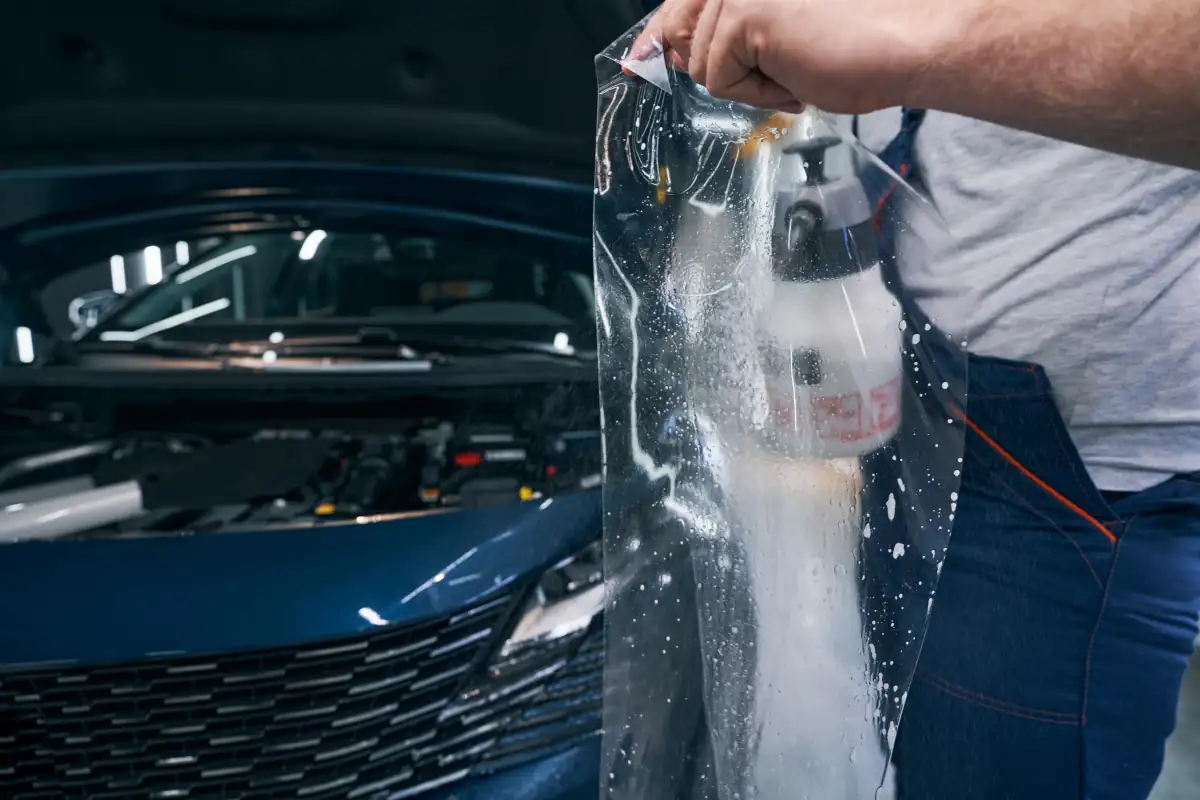
You’ve invested in paint protection film (PPF) to safeguard your vehicle’s finish from chips, scratches, and our local hazards like Highway 101 gravel and coastal salt air. But recently, you’ve heard stories about PPF actually damaging paint. Is this protective layer really harming your car’s finish? The truth is that while quality PPF installed correctly protects your paint, improper installation or low-quality film can indeed cause paint damage—a concern we address frequently at our Rohnert Park auto body shop.
Understanding the relationship between paint protection film and paint damage is crucial for Sonoma County drivers who want to preserve their vehicle’s value and appearance. Let’s examine when PPF becomes a problem, how to prevent damage, and what proper installation looks like.
| Topic | What You’ll Learn |
|---|---|
| PPF Damage Causes | Why some paint protection film installations harm paint |
| Quality Factors | Differences between professional and budget PPF |
| Safe Removal | How to remove PPF without damaging your finish |
| Prevention Tips | Choosing installation that protects, not harms, your paint |
Understanding How PPF Can Damage Car Paint
Paint protection film itself doesn’t inherently damage automotive paint—but certain conditions create scenarios where damage becomes likely. According to the International Carwash Association’s research on protective coatings, adhesive failure and improper surface preparation account for most PPF-related paint problems. The primary culprits include low-quality film materials, incorrect installation techniques, and removal after extended periods beyond the film’s lifespan.
When installers apply PPF to improperly prepared surfaces—paint that hasn’t fully cured, contaminated finishes, or weakened clear coats—the adhesive bonds too aggressively. Later removal can pull away clear coat or even base paint layers. Budget films using outdated adhesive technology similarly create problems. These cheaper options often leave residue, discolor over time, and bond so strongly that removal becomes destructive.
The age factor matters significantly too. Most quality PPF manufacturers design their products for 5-7 year lifespans. Leave film on for 10+ years, and the adhesive breaks down, bonding permanently with your paint. Sonoma County’s temperature fluctuations—from coastal fog to inland summer heat—accelerate this degradation process. What started as protection becomes a permanently bonded layer that requires professional auto body repair to address.
How Does Proper PPF Installation Prevent Paint Damage?
Professional paint protection film installation prevents damage by ensuring the paint surface is properly prepared, the correct film grade is selected, and application follows manufacturer specifications. Quality installers inspect your paint’s condition, verify proper cure time has elapsed after any paintwork, and use premium films with pressure-sensitive adhesives designed for clean removal.
The prevention process includes several critical steps:
- Paint inspection and preparation: Testing clear coat integrity and removing all contaminants before film application
- Temperature-controlled environment: Installing PPF in controlled conditions (ideally 65-75°F) for proper adhesive activation
- Premium film selection: Using top-tier brands like XPEL or 3M with proven track records and warranty support
- Proper curing time: Allowing fresh paint to cure completely (typically 30-60 days) before film application
- Professional-grade tools: Using heat guns, squeegees, and solutions that ensure bubble-free, stress-free installation
- Edge sealing techniques: Wrapping edges properly to prevent moisture intrusion and adhesive failure
Our I-CAR Gold Class certification ensures our technicians understand paint systems thoroughly—knowledge that’s crucial when recommending or working around protective films. We’ve seen countless vehicles with PPF issues in Sonoma County, and the pattern is clear: shortcuts during installation create long-term problems.
The Sonoma County Climate Factor
Living between the Pacific Coast and wine country valleys creates unique challenges for paint protection film. Morning coastal fog brings moisture and salt, while afternoon temperatures in Rohnert Park and inland areas can spike 30+ degrees. This thermal cycling stresses both paint and protective films.
Quality PPF handles these conditions well, but budget films often don’t. We’ve seen films yellow, crack, and separate on vehicles regularly parked outdoors in our area. When the film fails, trapped moisture between the PPF and paint causes oxidation, staining, and clear coat delamination—damage that requires extensive paint restoration or refinishing.
At Downtown Autobody, we work with vehicle owners dealing with failed PPF installations regularly. Our 80-foot paint booth—the only one of its size in Sonoma County—allows us to properly address paint damage from PPF removal and restore finishes to factory specifications. This capability matters when correction involves repainting full panels to eliminate staining or adhesive residue.
Can You Remove PPF Without Damaging Paint?
Yes, quality PPF removes cleanly when done correctly and within the film’s recommended lifespan. Professional removal involves heating the film to 140-160°F to soften the adhesive, then slowly peeling at a 45-degree angle to prevent clear coat lifting. Rushing this process or attempting DIY removal on aged film frequently causes damage.
Warning signs that PPF removal might damage your paint include film that’s been installed over 7 years, visible discoloration or cracking, edge lifting with dried adhesive, or installation over aftermarket paint less than 60 days old. In these situations, professional assessment before removal saves costly repairs.
Choosing Safe PPF for Your Vehicle
Protecting your investment means selecting both quality film and qualified installers. Look for shops that specialize in PPF installation, use premium brand materials, and offer warranties covering both the film and installation. Ask about their paint inspection process and how they verify surface readiness.
For vehicles with custom or specialty paint—common among Sonoma County’s classic car enthusiasts and luxury vehicle owners—extra caution applies. Consult with both your auto body shop and PPF installer to ensure compatibility. Some specialty paints require modified installation procedures or aren’t suitable for PPF at all.
Frequently Asked Questions
Does PPF damage new car paint?
PPF won’t damage new car paint if installers wait for the paint to fully cure—typically 30-60 days after manufacturing. Factory paint needs this curing time for the clear coat to achieve full hardness. Applying PPF too soon can trap solvents and prevent proper curing, causing softness and adhesion issues later.
How long can PPF stay on a car safely?
Quality paint protection film should be removed or replaced within 5-7 years for easiest, safest removal. While the film may still look good after this period, adhesive breakdown begins, making clean removal increasingly difficult. Sonoma County’s climate may reduce this timeframe slightly due to temperature cycling and UV exposure.
What does PPF damage look like?
PPF-related paint damage appears as discoloration (yellowing or darkening) under the film, clear coat lifting at film edges, adhesive residue that won’t wash off, or orange peel texture in the paint after removal. In severe cases, you’ll see actual clear coat or paint removal where film was applied, requiring professional refinishing.
Causes of Damage
Improper installation or low-quality PPF can lead to paint damage.
Preventative Measures
Ensure proper PPF installation to protect rather than harm your paint.
Climate Impact
Sonoma’s unique climate accelerates PPF adhesive degradation.
Protecting Your Paint Investment in Sonoma County
Paint protection film offers real benefits for Sonoma County vehicles facing road debris, agricultural overspray, and coastal elements—but only when quality products meet professional installation standards. The answer to “can PPF cause car paint damage” is yes, but typically only when shortcuts compromise the process. Choose experienced installers, use premium films, plan for timely removal, and maintain the protection properly.
Your vehicle’s finish represents a significant investment worth protecting correctly. Whether you’re considering PPF installation, dealing with aging film, or addressing damage from improper application, professional guidance makes the difference between protection and problems.
Questions about your vehicle’s paint protection or repair needs? Downtown Autobody brings I-CAR Gold Class certification and Sonoma County’s only 80-foot paint booth to every project. Our team helps you make informed decisions about protective measures and handles any paint correction necessary. Contact us to discuss your specific situation—we’re here to keep your vehicle looking its best.
Frequently Asked Questions About PPF and Paint Damage
Does PPF damage new car paint?
PPF won’t damage new car paint if installers wait for the paint to fully cure—typically 30-60 days after manufacturing. Factory paint needs this curing time for the clear coat to achieve full hardness. Applying PPF too soon can trap solvents and prevent proper curing, causing softness and adhesion issues later. If you’ve just purchased a new vehicle in Sonoma County, verify the manufacturing date and consult with professional installers about proper timing. For vehicles with fresh paint repairs from our shop, we always advise clients on the appropriate waiting period before PPF application.
How long can PPF stay on a car safely?
Quality paint protection film should be removed or replaced within 5-7 years for easiest, safest removal. While the film may still look good after this period, adhesive breakdown begins, making clean removal increasingly difficult. Sonoma County’s climate—with coastal salt air, UV exposure, and temperature cycling—may reduce this timeframe slightly. We recommend having your PPF inspected at the 5-year mark to assess condition and plan for timely removal. Waiting beyond 7-8 years significantly increases the risk of paint damage during removal and may require professional intervention.
What does PPF damage look like?
PPF-related paint damage appears as discoloration (yellowing or darkening) under the film, clear coat lifting at film edges, adhesive residue that won’t wash off, or orange peel texture in the paint after removal. In severe cases, you’ll see actual clear coat or paint removal where film was applied, requiring professional refinishing. At Downtown Autobody, we frequently see vehicles with these issues from budget installations or aged film. If you notice any of these warning signs, bring your vehicle in for assessment before attempting removal—early intervention prevents more extensive damage.
How much does it cost to fix paint damage from PPF removal?
Paint damage repair from PPF removal typically ranges from $500-$2,500 per affected panel, depending on severity. Minor adhesive residue removal and polishing costs $500-$800, while full panel repainting for clear coat damage runs $1,200-$2,500. Multiple affected panels increase costs proportionally. At Downtown Autobody in Rohnert Park, we provide detailed estimates after inspecting the specific damage. Our 80-foot paint booth allows us to handle full-panel refinishing to factory specifications. Insurance occasionally covers PPF damage if it resulted from collision repair, but typically this is an out-of-pocket expense. Prevention through quality installation and timely removal saves significantly compared to correction costs.
Can I remove PPF myself without damaging the paint?
DIY PPF removal is risky and not recommended, especially for film older than 5 years or in Sonoma County’s variable climate conditions. Professional removal uses controlled heat (140-160°F), proper peeling angles, and specialized adhesive removers to protect your paint. Attempting removal without proper equipment frequently causes clear coat lifting, paint peeling, or stubborn adhesive residue that requires professional correction. The cost savings of DIY removal ($0 vs. $200-$400 professional removal) disappears quickly if you cause $1,500+ in paint damage. If you’re committed to DIY, at minimum invest in a quality heat gun, work in a temperature-controlled environment, and test a small, inconspicuous area first.
What’s the difference between cheap and quality PPF?
Quality PPF from brands like XPEL or 3M costs $800-$2,000+ per vehicle section but uses advanced urethane materials with pressure-sensitive adhesives designed for clean removal, self-healing properties, and 5-10 year warranties. Budget films ($300-$600) often use outdated adhesive technology, yellow within 2-3 years, and bond too aggressively for safe removal. The material thickness differs too—premium films offer 8-10 mil thickness versus 4-6 mil for budget options, affecting impact protection. At Downtown Autobody, we’ve repaired countless paint damage issues from budget PPF installations. The initial savings rarely justify the eventual paint correction costs and reduced protection quality.
Should I get PPF if I live in Sonoma County?
PPF makes excellent sense for Sonoma County vehicles regularly exposed to Highway 101 gravel, wine country roads, coastal salt air, and agricultural overspray. The protection benefits typically outweigh risks when quality film is professionally installed. Vehicles garaged and driven minimally may not need full PPF—consider partial coverage for high-impact areas like front bumpers, hoods, and mirrors instead. Classic cars, luxury vehicles, and new cars you plan to keep long-term benefit most from PPF investment. Our team at Downtown Autobody can assess your specific driving patterns, parking situations, and vehicle value to provide honest recommendations about whether PPF makes financial sense for your situation.